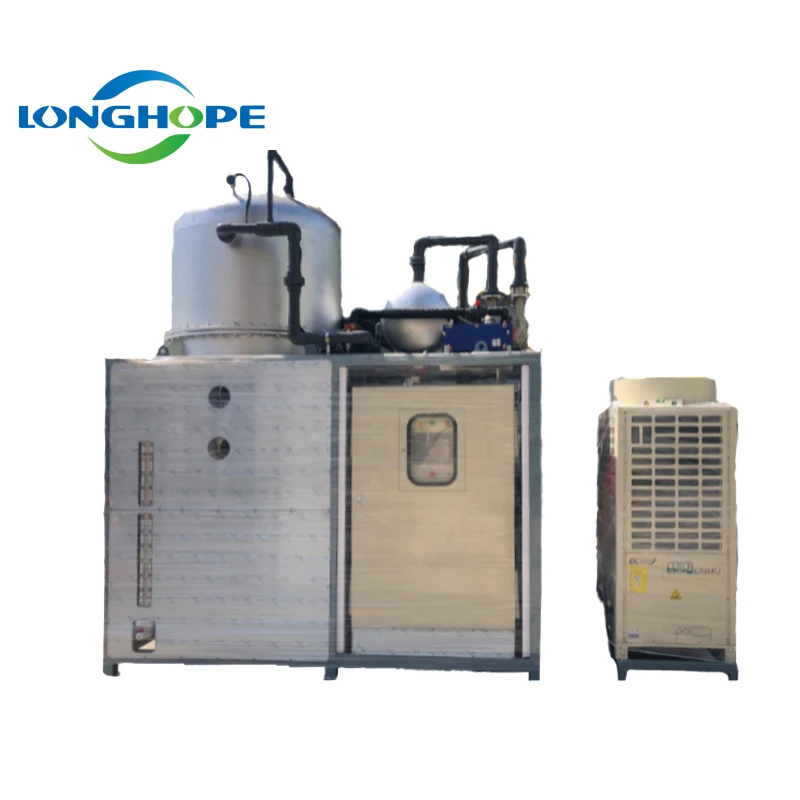
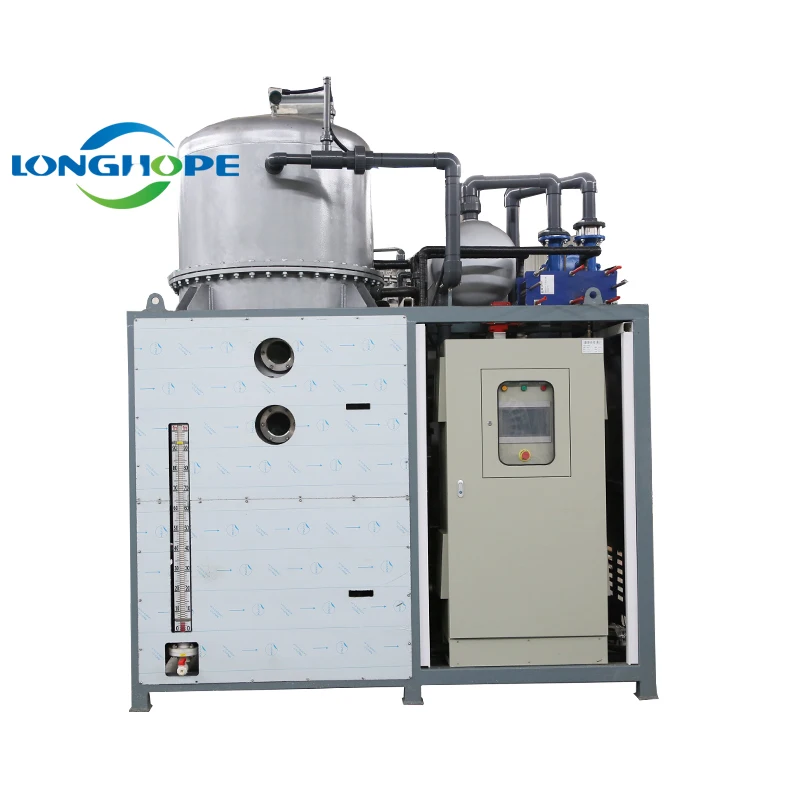
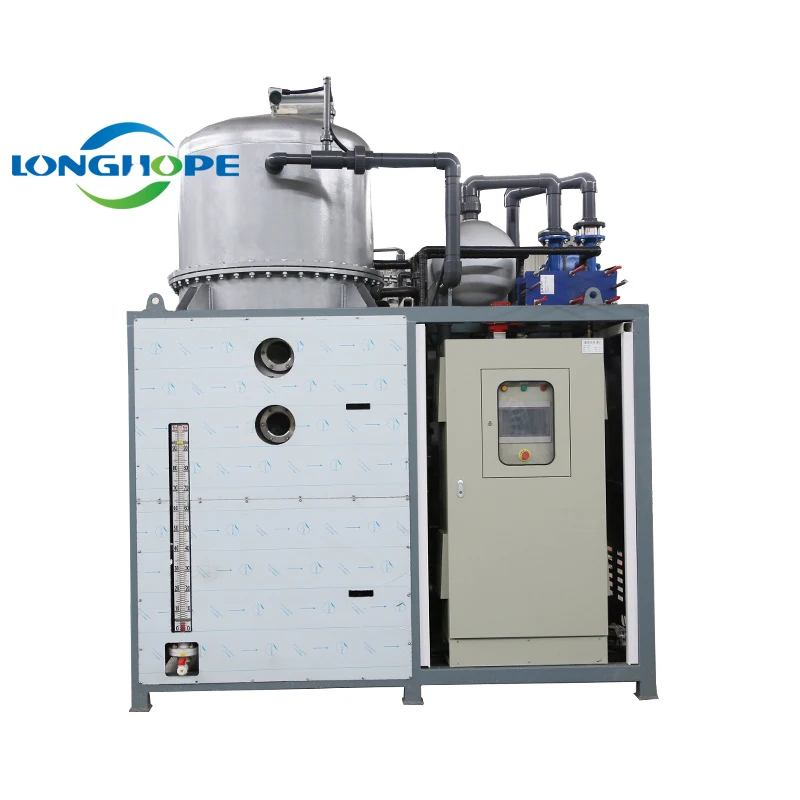
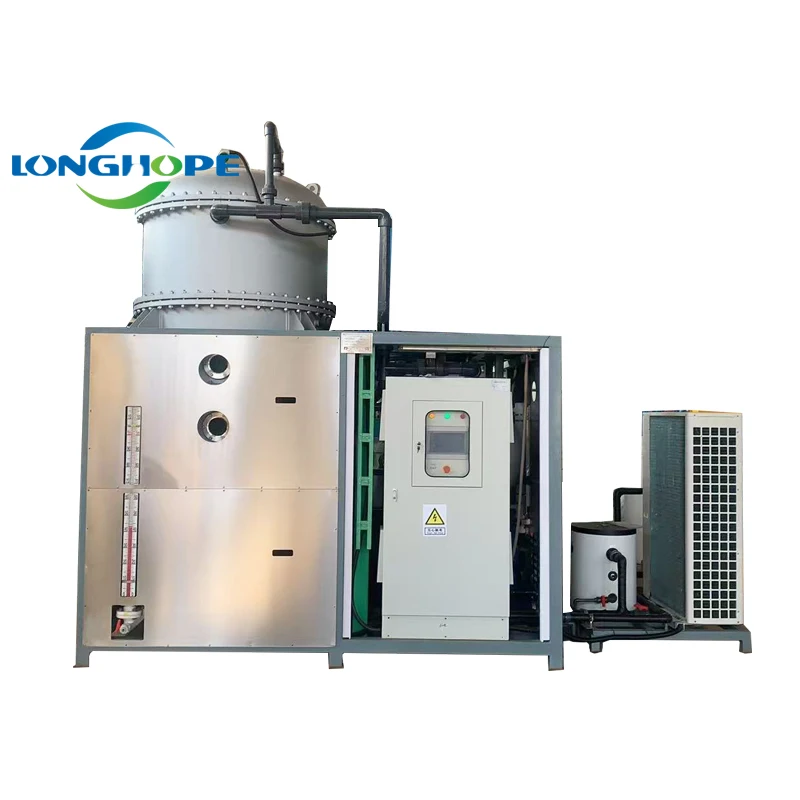
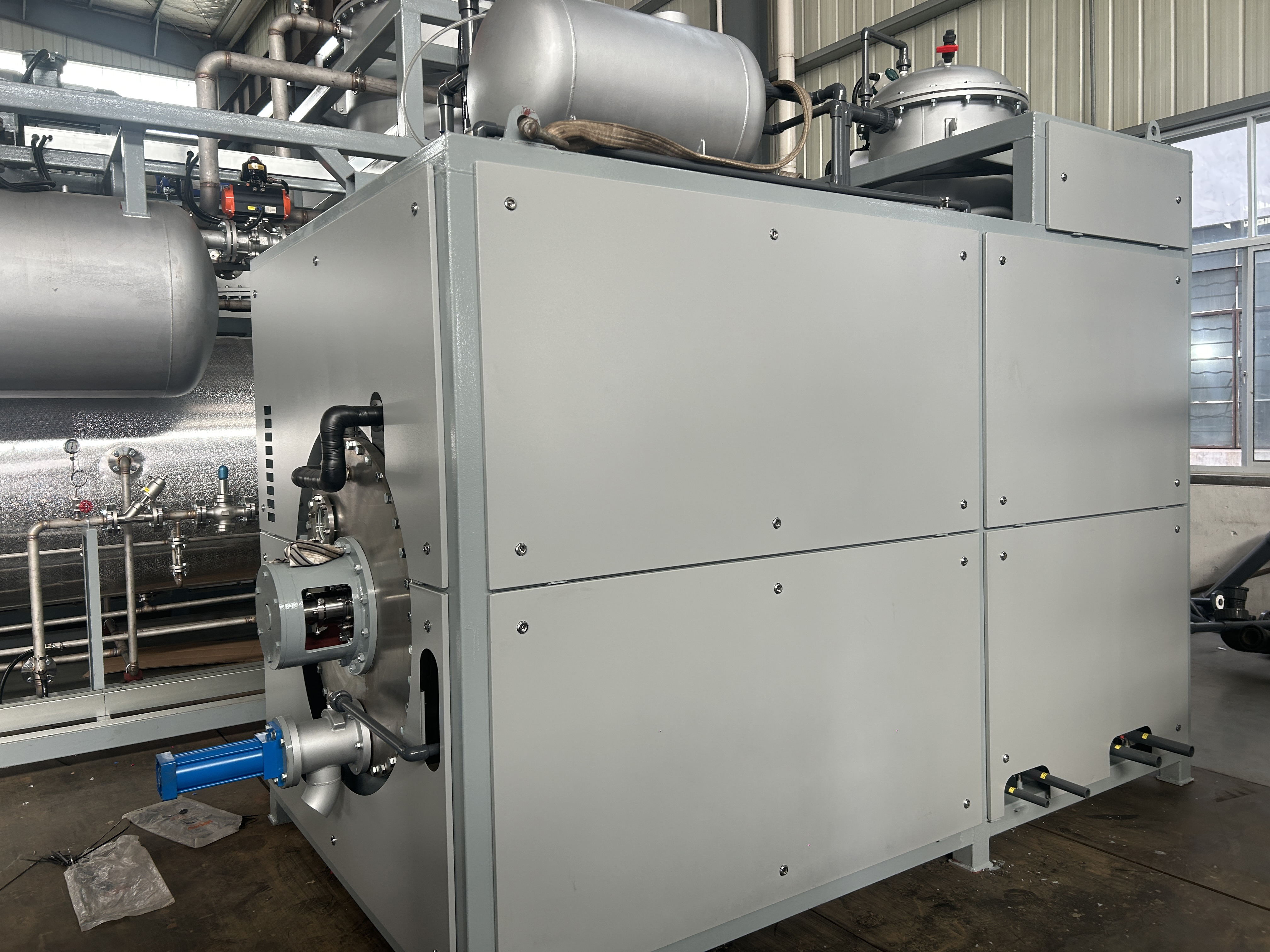
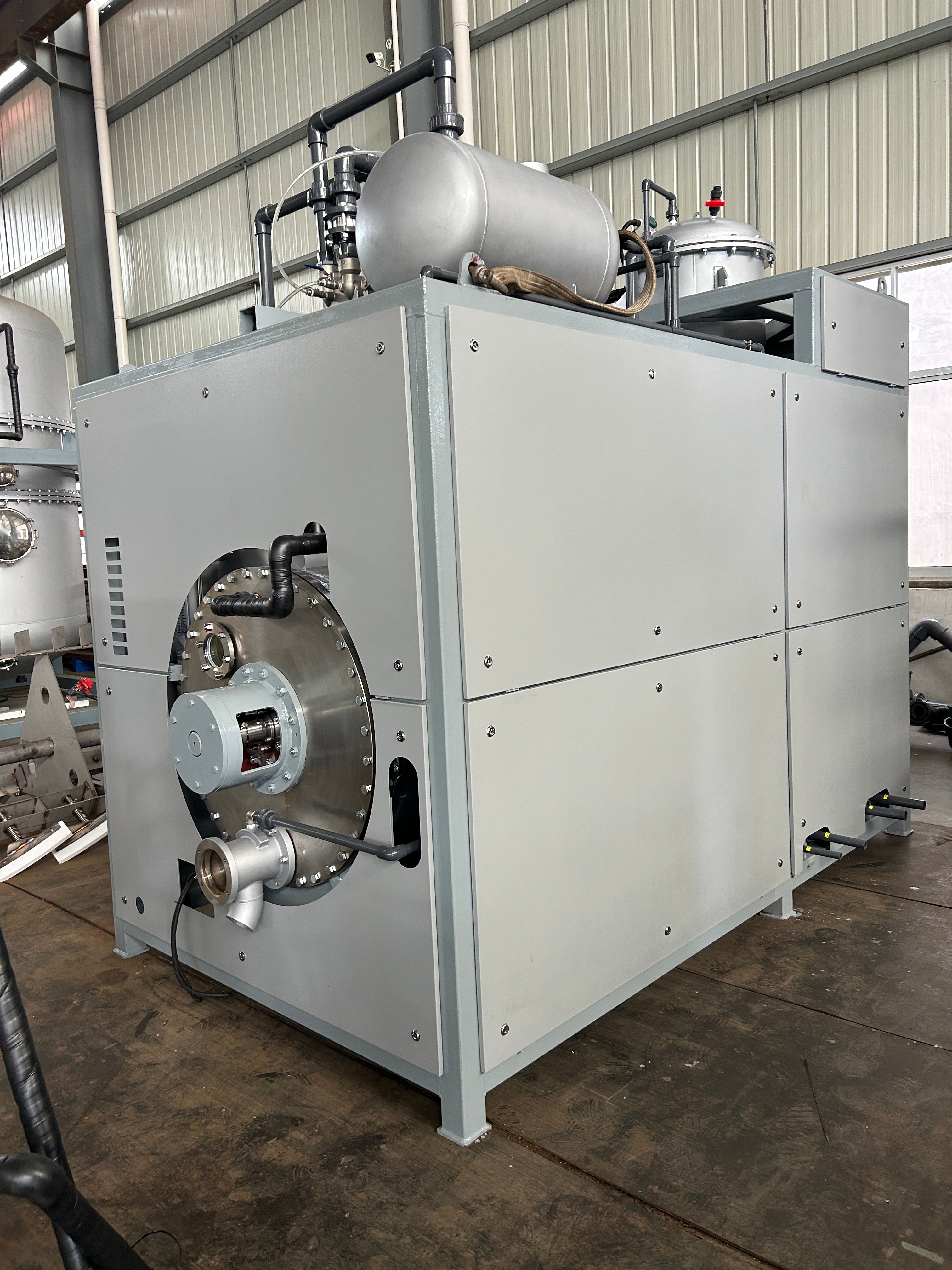
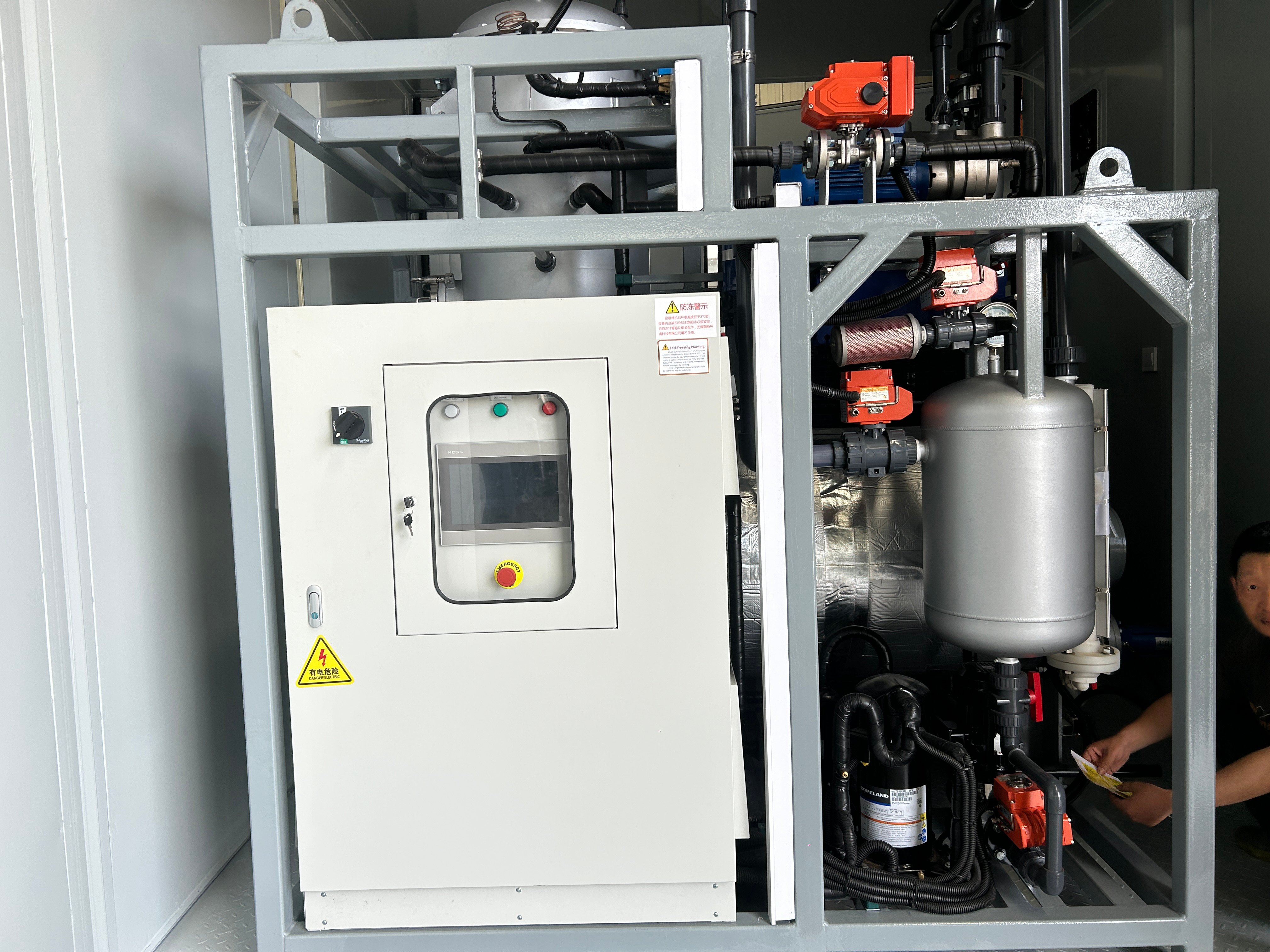
Low Temperature Vacuum Crystallizer Equipment

All Categories

Get a Free Quote

Our representative will contact you soon.
Email
Mobile
Name
Company Name
Message
0/1000

low temperature vacuum crystallizer

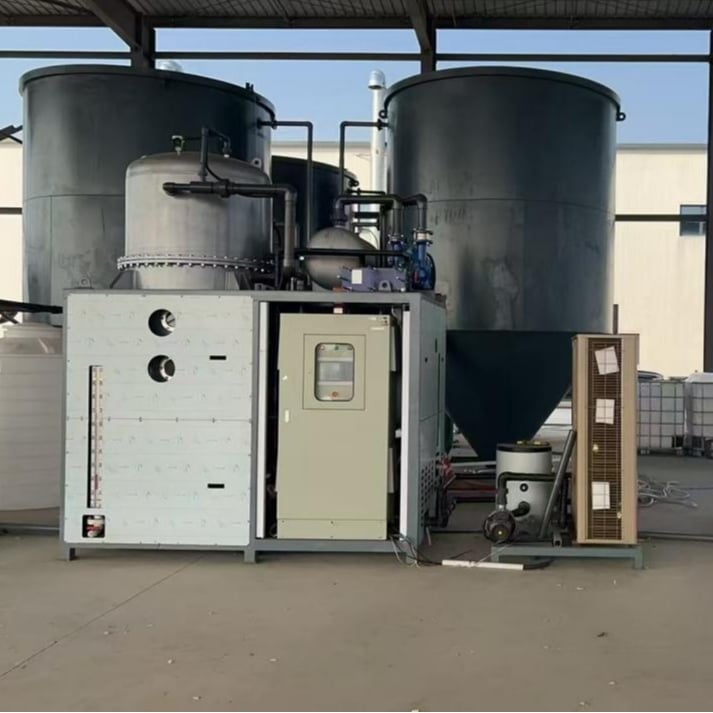
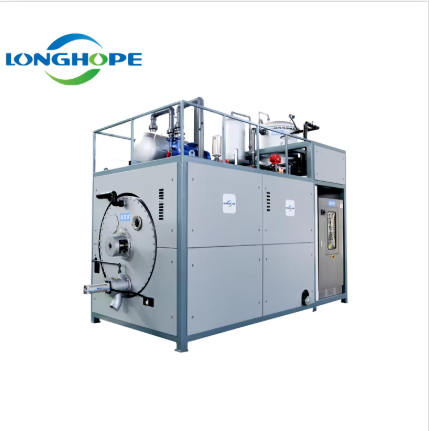
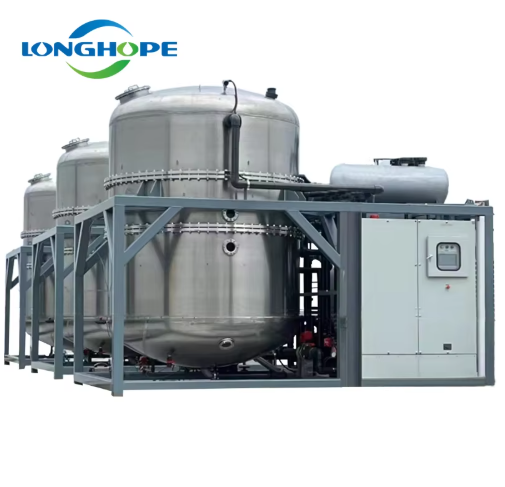
A low temperature vacuum crystallizer represents an advanced industrial solution designed to separate and purify chemical compounds through controlled crystallization processes in reduced-pressure environments. This specialized equipment operates by lowering the boiling point of solutions through vacuum application, allowing crystallization to occur at significantly reduced temperatures. The low temperature vacuum crystallizer functions by heating a solution under vacuum conditions, causing solvent evaporation and subsequent crystal formation. This method proves particularly valuable for heat-sensitive materials that would degrade at conventional crystallization temperatures. The low temperature vacuum crystallizer incorporates several technological features that distinguish it from traditional crystallization equipment. These include precision temperature control systems, automated vacuum regulation, continuous stirring mechanisms, and advanced cooling capabilities. The equipment utilizes a jacketed vessel design that allows circulation of cooling or heating media, ensuring uniform temperature distribution throughout the crystallization chamber. The low temperature vacuum crystallizer finds extensive applications across pharmaceutical, chemical, food processing, and biotechnology industries. It excels in purifying temperature-sensitive compounds, extracting active pharmaceutical ingredients, and producing high-purity crystals for specialized applications. The low temperature vacuum crystallizer technology enables manufacturers to achieve superior product quality while maintaining material integrity, making it indispensable for modern industrial operations requiring precision crystallization under controlled conditions.

Popular Products

The low temperature vacuum crystallizer delivers substantial operational benefits that transform industrial crystallization processes. By operating at reduced temperatures, this equipment prevents thermal degradation of sensitive compounds, ensuring products maintain their chemical integrity and effectiveness. Manufacturers benefit from higher purity levels in final crystalline products, reducing the need for additional purification steps and lowering production costs. The low temperature vacuum crystallizer enhances process efficiency through faster crystallization cycles and improved crystal size uniformity, resulting in better product quality and reduced waste. Operational convenience represents a major advantage of the low temperature vacuum crystallizer system. Automated controls minimize manual intervention, reducing labor costs and human error while improving consistency between production batches. The equipment requires less frequent maintenance compared to conventional crystallizers, translating into extended operational periods and improved productivity. Environmental advantages make the low temperature vacuum crystallizer an attractive choice for sustainability-focused manufacturers. Reduced energy consumption at lower operating temperatures decreases the facility's carbon footprint and utility expenses. The controlled vacuum environment minimizes volatile organic compound emissions, supporting compliance with environmental regulations. Application suitability makes the low temperature vacuum crystallizer particularly valuable for specialized industries. Pharmaceutical companies rely on this technology to produce pure active ingredients without thermal decomposition. Food manufacturers use it for extracting valuable compounds while preserving nutritional properties. Chemical producers appreciate the ability to crystallize unstable compounds that would decompose at higher temperatures. Decision-useful benefits include scalability potential and long-term cost savings. The low temperature vacuum crystallizer accommodates growing production demands through various capacity options, supporting business expansion without complete equipment replacement.

Tips And Tricks

Low Temperature Heat Pump Evaporator Maintenance Best Practices

24

Jul

Low Temperature Heat Pump Evaporator Maintenance Best Practices

Effective low temperature heat pump evaporator maintenance is essential for preserving system efficiency, extending equipment lifespan, and preventing costly downtime in industrial refrigeration applications. The evaporator represents a critical heat...
View More
How Industrial Water Treatment Saves Costs and Resources

24

Jul

How Industrial Water Treatment Saves Costs and Resources

Industrial water treatment represents one of the most significant opportunities for manufacturing facilities to reduce operational expenses while protecting environmental resources. Organizations across industries face mounting pressure to minimize w...
View More
Common Challenges in Industrial Water Treatment Solved

02

Sep

Common Challenges in Industrial Water Treatment Solved

Manufacturing facilities, chemical plants, and processing operations face mounting pressure to manage wastewater efficiently while meeting regulatory standards. Industrial water treatment remains one of the most critical operational functions across ...
View More
How Low Temperature Heat Pump Evaporator Cuts Energy Costs

24

Jul

How Low Temperature Heat Pump Evaporator Cuts Energy Costs

Industrial operations consume significant energy, and equipment efficiency directly impacts profitability. A low temperature heat pump evaporator represents a transformative approach to reducing energy expenditure while maintaining operational perfor...
View More

Get a Free Quote

Our representative will contact you soon.
Email
Mobile
Name
Company Name
Message
0/1000

low temperature vacuum crystallizer

Precise Temperature Control and Heat-Sensitive Material Protection

Precise Temperature Control and Heat-Sensitive Material Protection

The low temperature vacuum crystallizer excels in protecting heat-sensitive materials through its sophisticated temperature management system. Unlike conventional crystallizers operating at elevated temperatures, the low temperature vacuum crystallizer maintains controlled environments where temperatures remain significantly lower, preventing thermal degradation of valuable compounds. This capability proves essential for pharmaceutical applications involving temperature-sensitive active ingredients and chemical processes requiring compound stability. The system employs advanced thermostat controls with precision calibration, ensuring temperature variations stay within fractions of a degree. The low temperature vacuum crystallizer's jacketed vessel design enables precise circulation of coolant or heating media, maintaining uniform temperature distribution throughout the crystallization chamber. This uniform heating and cooling prevents hot spots that could damage sensitive materials while promoting consistent crystal formation. Industries producing biologics, plant extracts, and specialty chemicals depend on the low temperature vacuum crystallizer's protective capabilities to maintain product efficacy and market value. The equipment's ability to operate effectively at lower temperatures represents a breakthrough for manufacturers previously limited by thermal constraints in their crystallization processes.
Superior Product Purity and Reduced Production Waste

Superior Product Purity and Reduced Production Waste

The low temperature vacuum crystallizer achieves exceptional product purity levels that exceed conventional crystallization methods. Operating under vacuum conditions at reduced temperatures creates optimal crystallization environments where impurities separate more efficiently from desired compounds. This superior separation capability means the low temperature vacuum crystallizer produces higher-purity crystals requiring fewer secondary purification steps, directly reducing overall production costs and timelines. Manufacturers implement the low temperature vacuum crystallizer to minimize waste through several mechanisms. The controlled vacuum environment reduces solvent loss through evaporation, maximizing material recovery rates. Precise crystallization conditions in the low temperature vacuum crystallizer yield uniform crystal sizes and morphologies, reducing the need to reprocess irregular or undersized crystals. Industrial facilities utilizing the low temperature vacuum crystallizer report significant reductions in material waste, with improved recovery rates contributing substantially to profitability. The higher purity achieved through the low temperature vacuum crystallizer technology reduces downstream processing requirements, allowing companies to streamline operations and redirect resources toward expansion. Superior product quality strengthens market competitiveness and customer satisfaction while generating premium pricing opportunities in specialized markets.
Scalable Capacity and Long-Term Cost Efficiency

Scalable Capacity and Long-Term Cost Efficiency

The low temperature vacuum crystallizer offers exceptional scalability, supporting business growth from pilot production through large-scale manufacturing operations. Manufacturers can select from various capacity options when implementing the low temperature vacuum crystallizer technology, ensuring equipment matches current production demands while accommodating future expansion. This flexibility eliminates costly equipment replacement cycles common with fixed-capacity crystallizers, protecting capital investments. Long-term cost efficiency emerges as a primary economic advantage of the low temperature vacuum crystallizer system. Reduced operating temperatures significantly lower energy consumption compared to high-temperature crystallization methods, generating substantial utility cost savings over equipment lifetimes. The low temperature vacuum crystallizer's automated features minimize labor requirements, decreasing per-unit production costs as volumes increase. Extended operational intervals between maintenance cycles characteristic of the low temperature vacuum crystallizer reduce maintenance expenses and production downtime. Manufacturers implementing the low temperature vacuum crystallizer benefit from predictable operating costs, enabling accurate financial forecasting and budgeting. Superior reliability and extended equipment lifespan further enhance the value proposition of investing in low temperature vacuum crystallizer technology, making it an economically sound choice for forward-thinking industrial operations.

Get a Free Quote

Our representative will contact you soon.
Email
Mobile
Name
Company Name
Message
0/1000