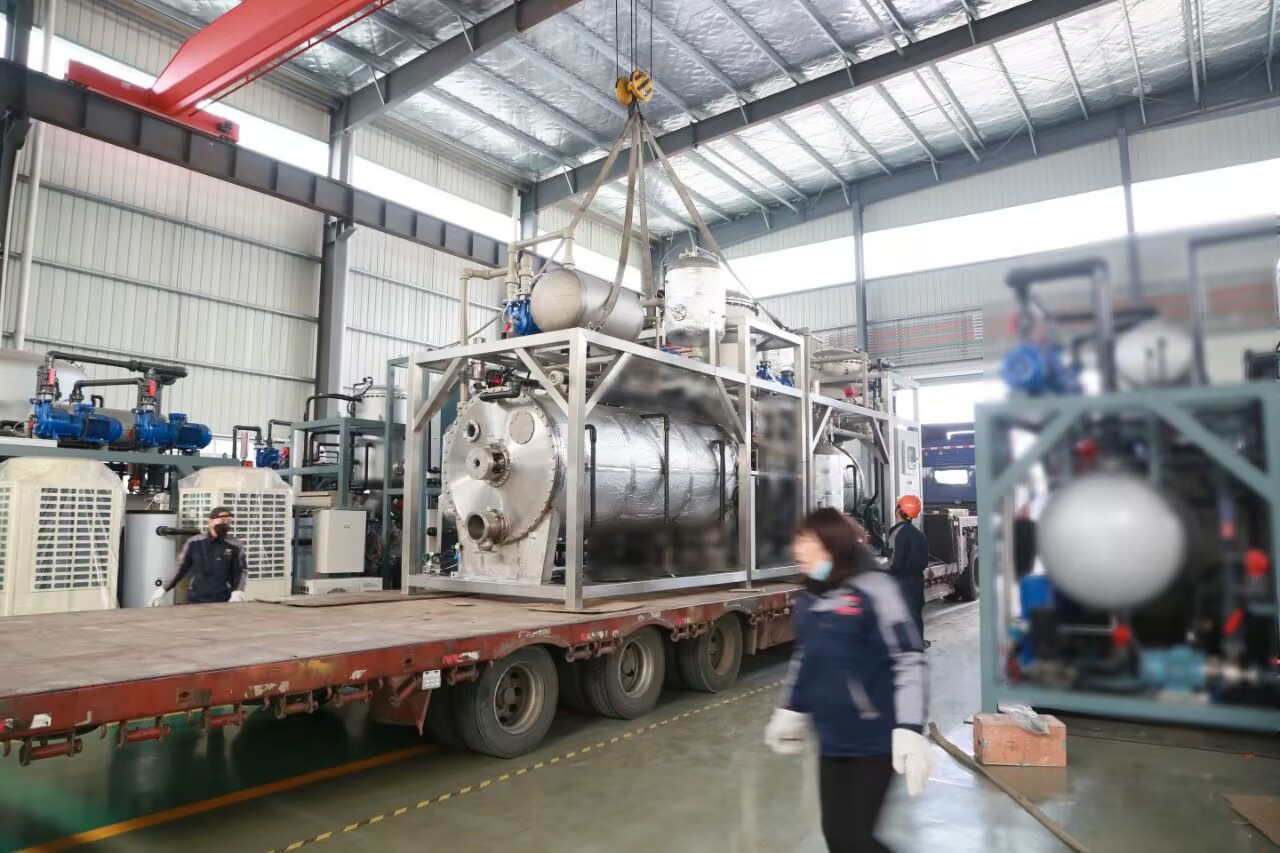
effluent treatment plant process in textile industry
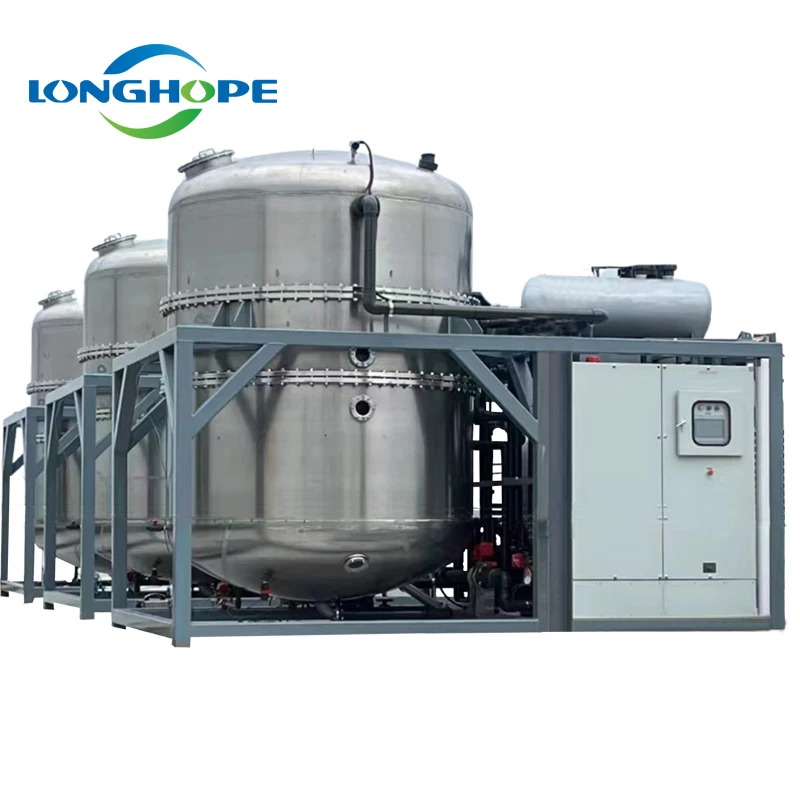
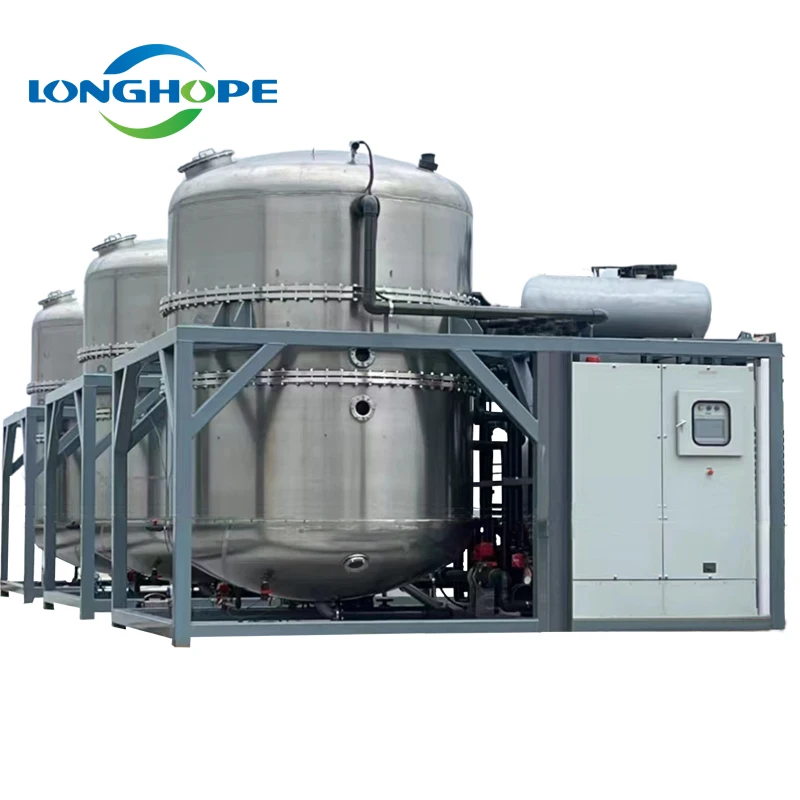
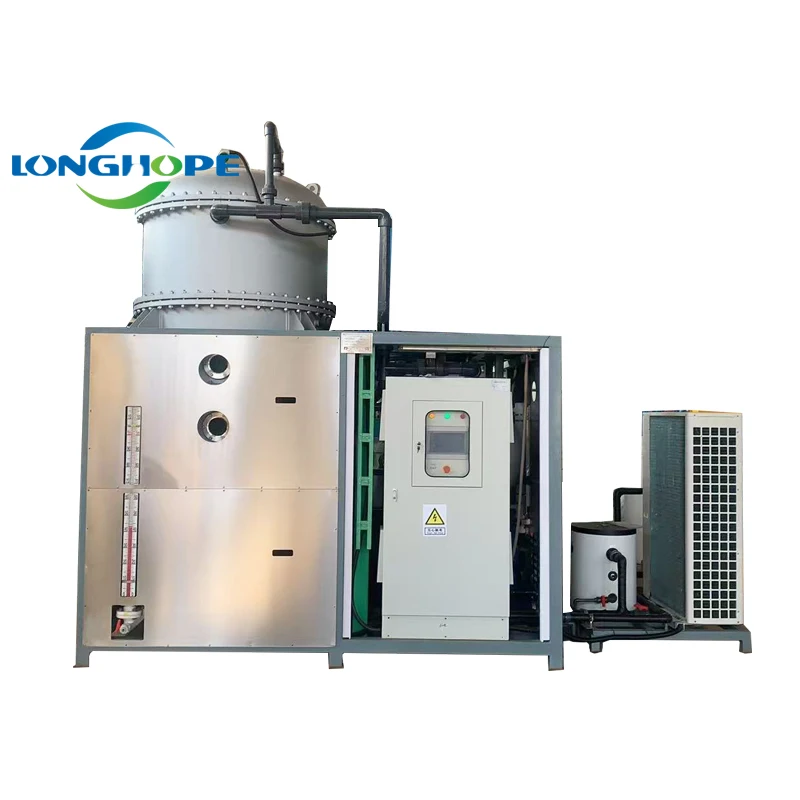
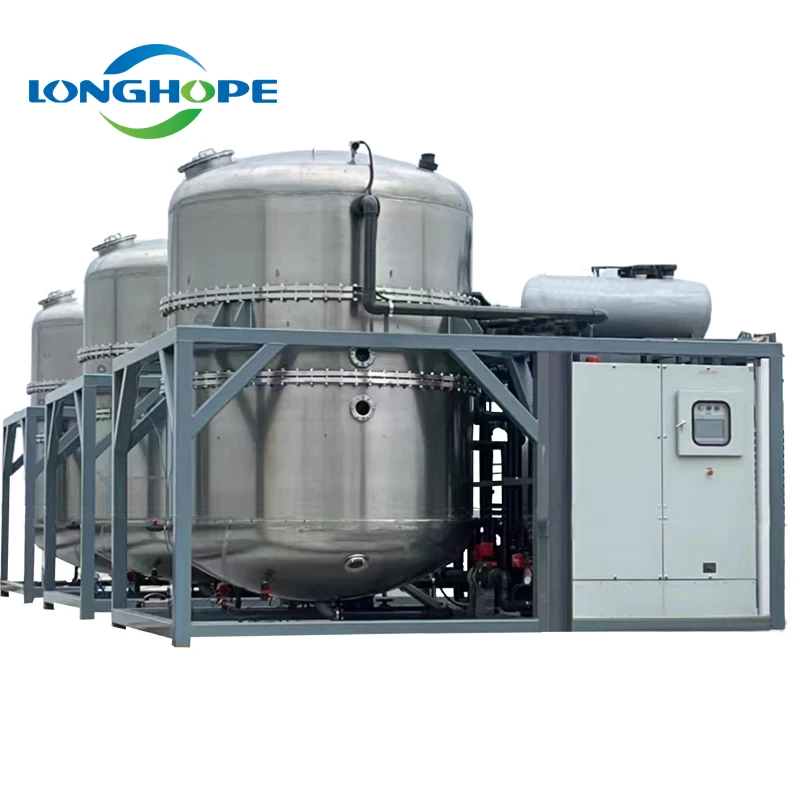
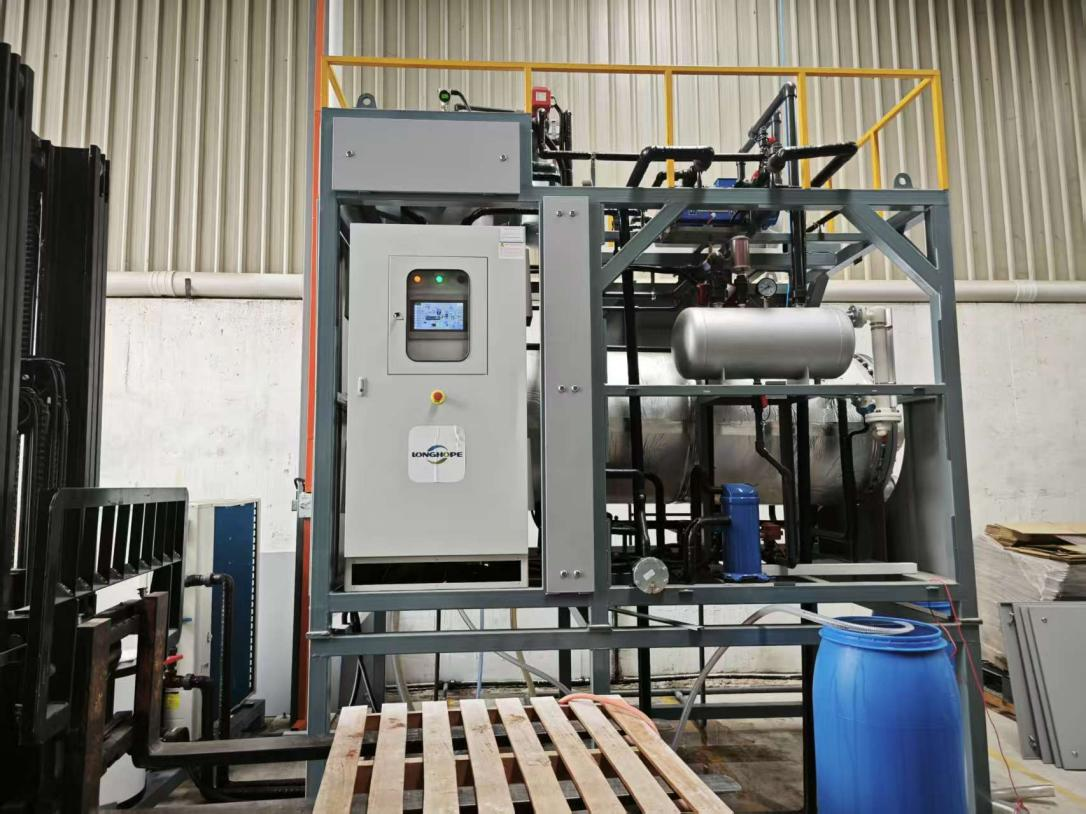
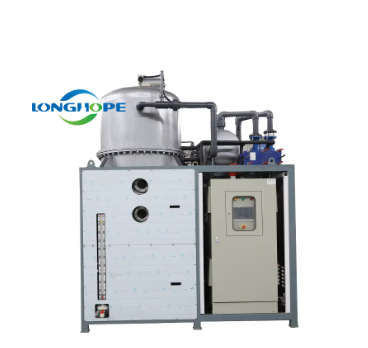
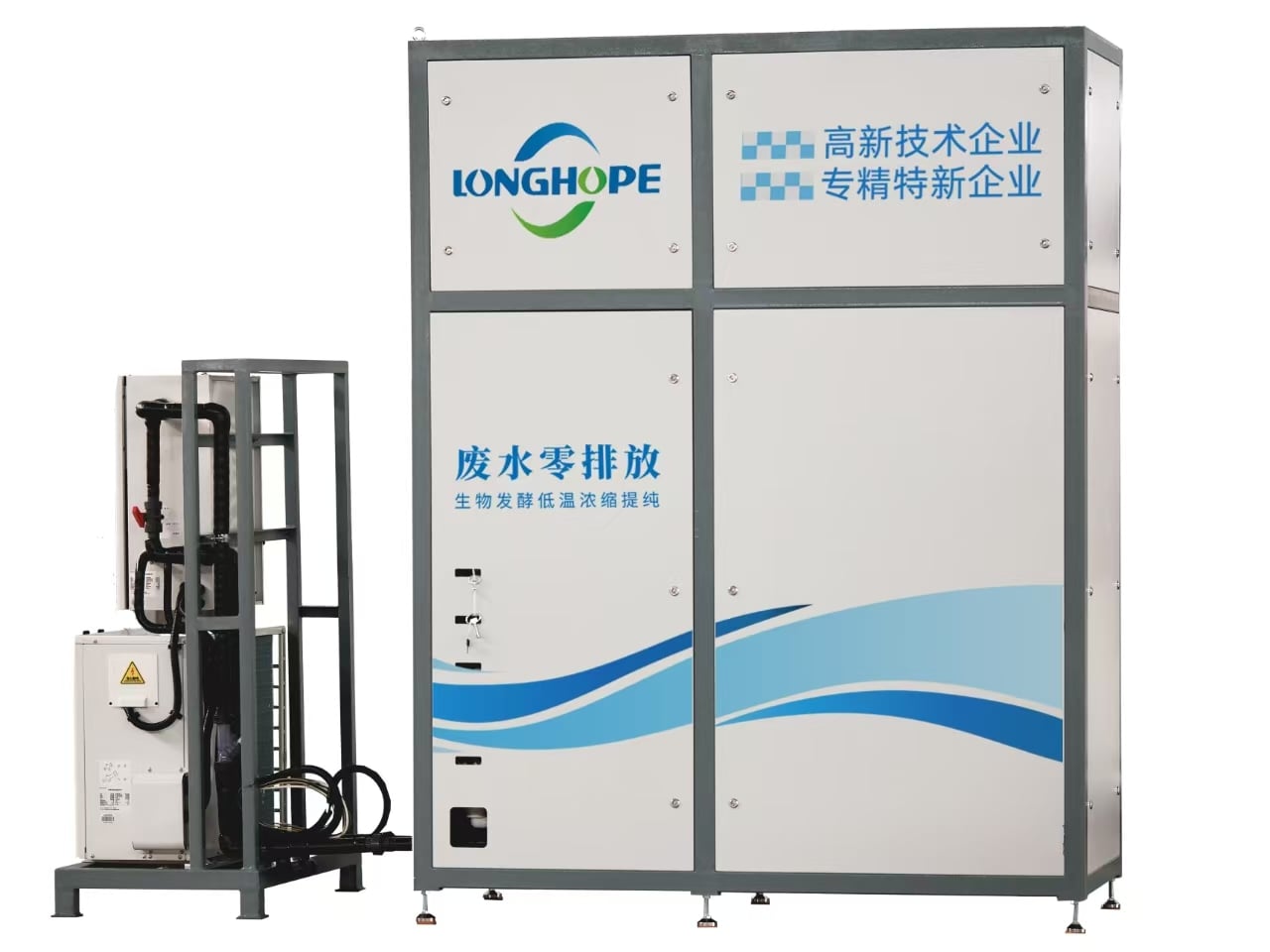
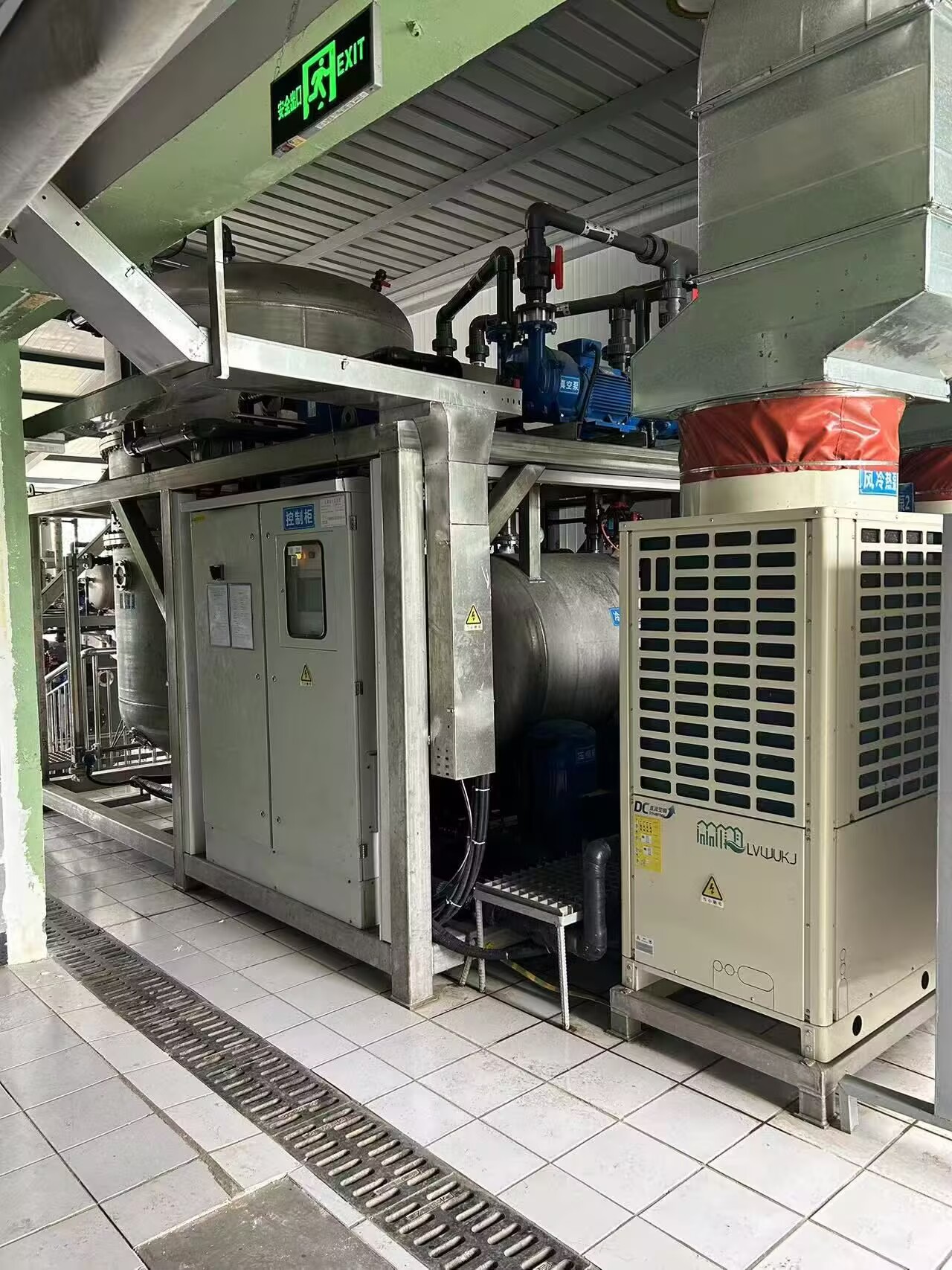
The effluent treatment plant process in textile industry represents a comprehensive solution for managing wastewater generated during fabric production, dyeing, and finishing operations. This critical system addresses environmental regulations while maintaining production efficiency in modern textile manufacturing facilities.
The effluent treatment plant process in textile industry utilizes multiple technological stages to remove contaminants, including physical separation, chemical treatment, and biological processing. Primary functions involve removing suspended solids, dissolved dyes, heavy metals, and organic compounds that contaminate water sources. The system employs coagulation, flocculation, sedimentation, and filtration techniques to achieve effective purification.
Technological features of the effluent treatment plant process in textile industry include automated monitoring systems, pH adjustment mechanisms, and oxidation chambers that break down complex textile dyes. Advanced configurations incorporate reverse osmosis and membrane filtration for enhanced pollutant removal. Modern plants integrate real-time quality control systems ensuring consistent output standards.
Applications span across various textile sectors, from small-scale production units to large industrial complexes. The effluent treatment plant process in textile industry serves dyeing houses, printing facilities, and integrated mills requiring comprehensive wastewater management. Industries utilizing this system protect water resources while achieving compliance with stringent environmental standards, making it essential infrastructure for sustainable textile manufacturing operations.
 EN