Chemical Wastewater Treatment Process

All Categories

Get a Free Quote

Our representative will contact you soon.
Email
Mobile
Name
Company Name
Message
0/1000

chemical wastewater treatment process

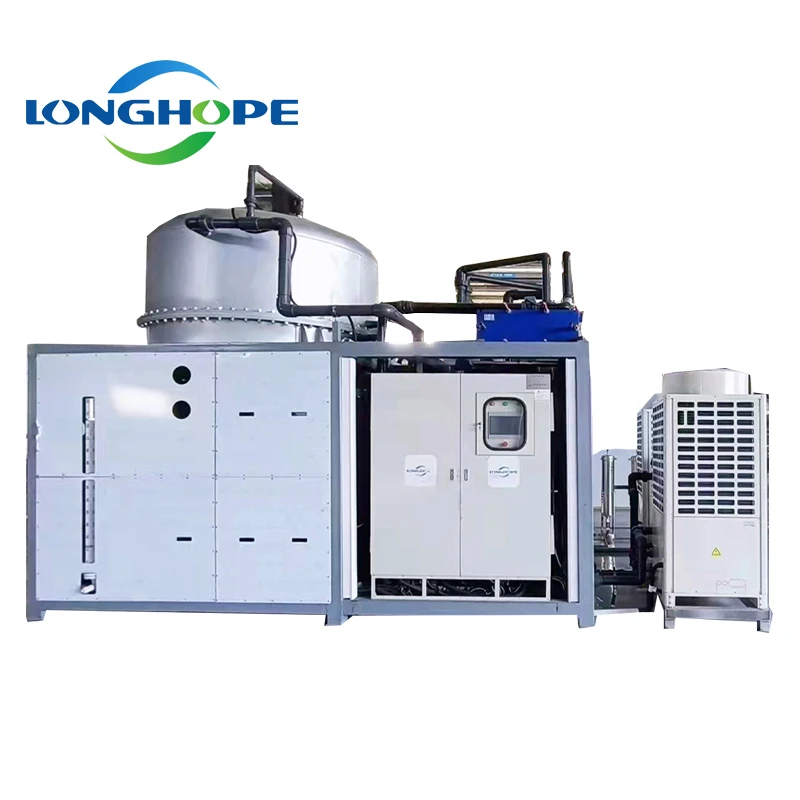
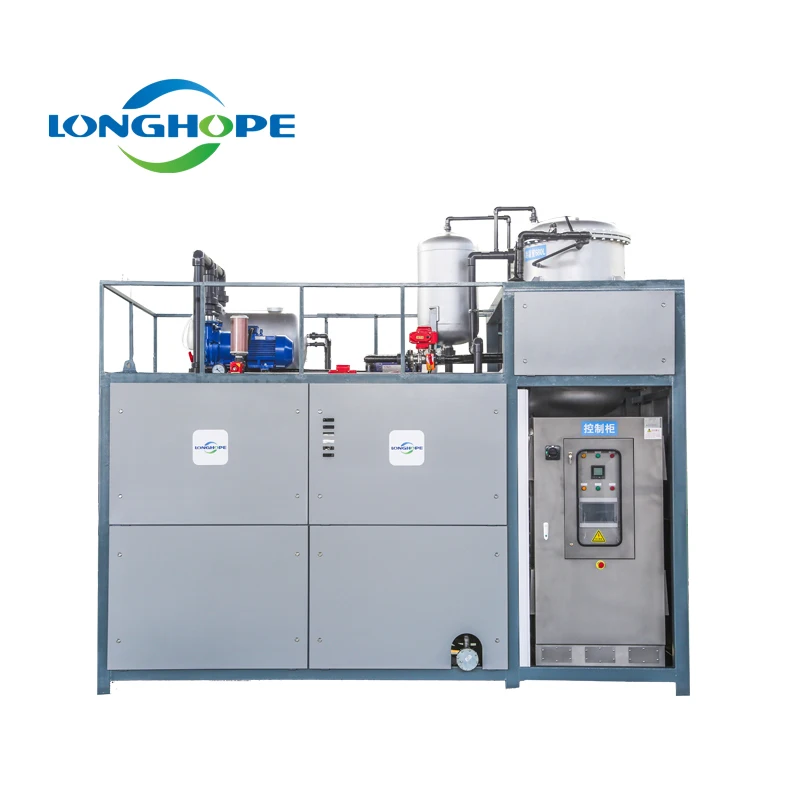
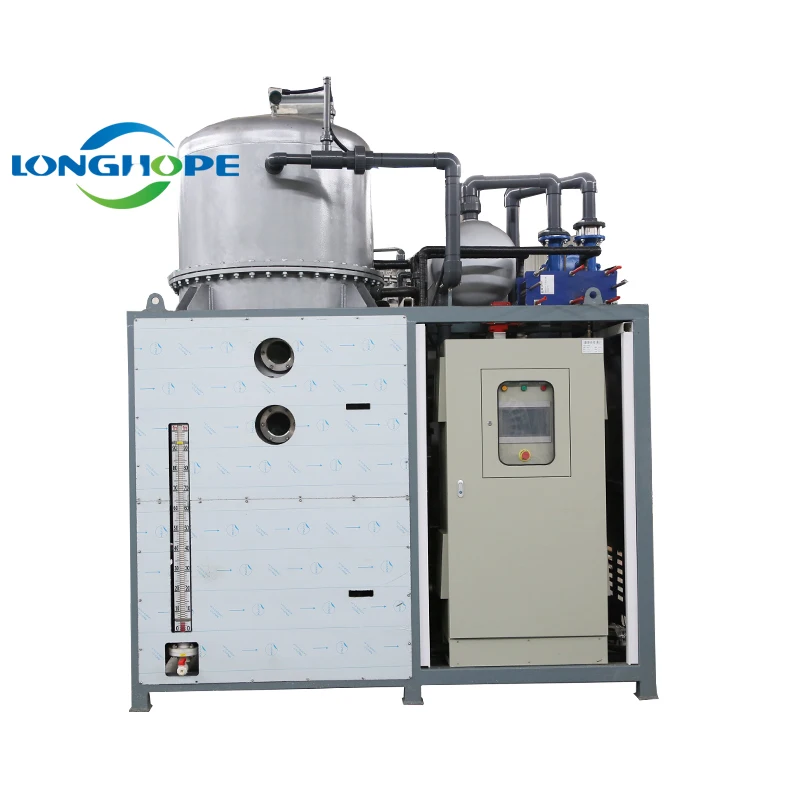
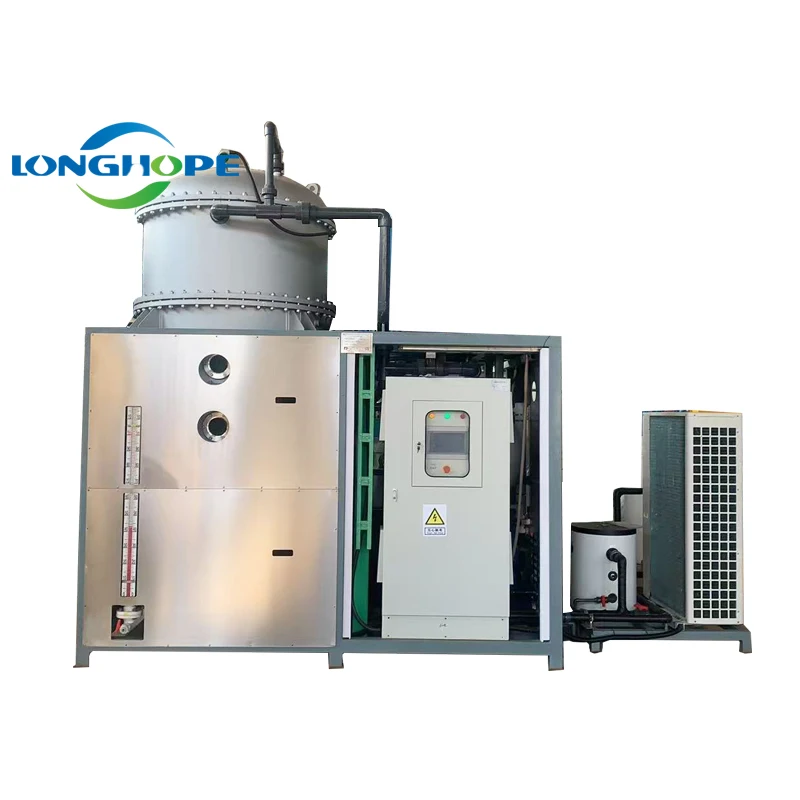
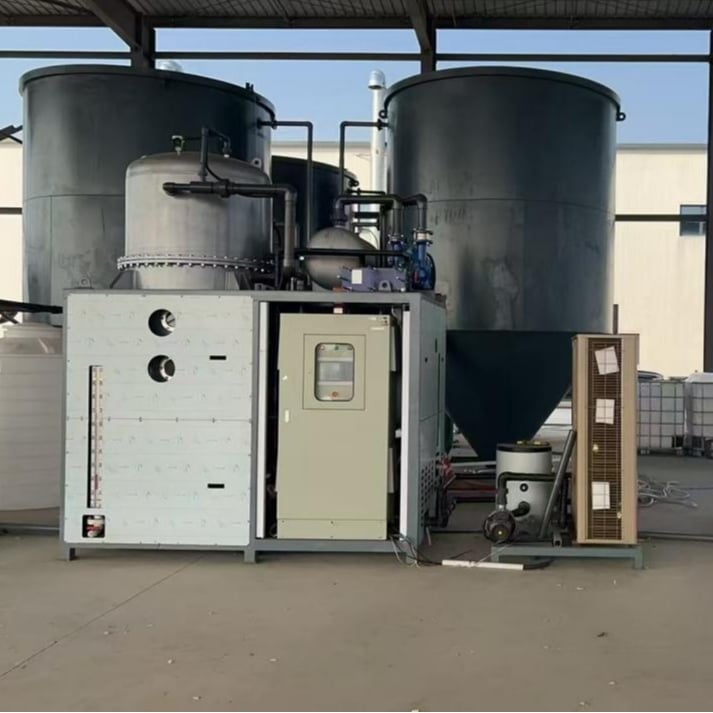
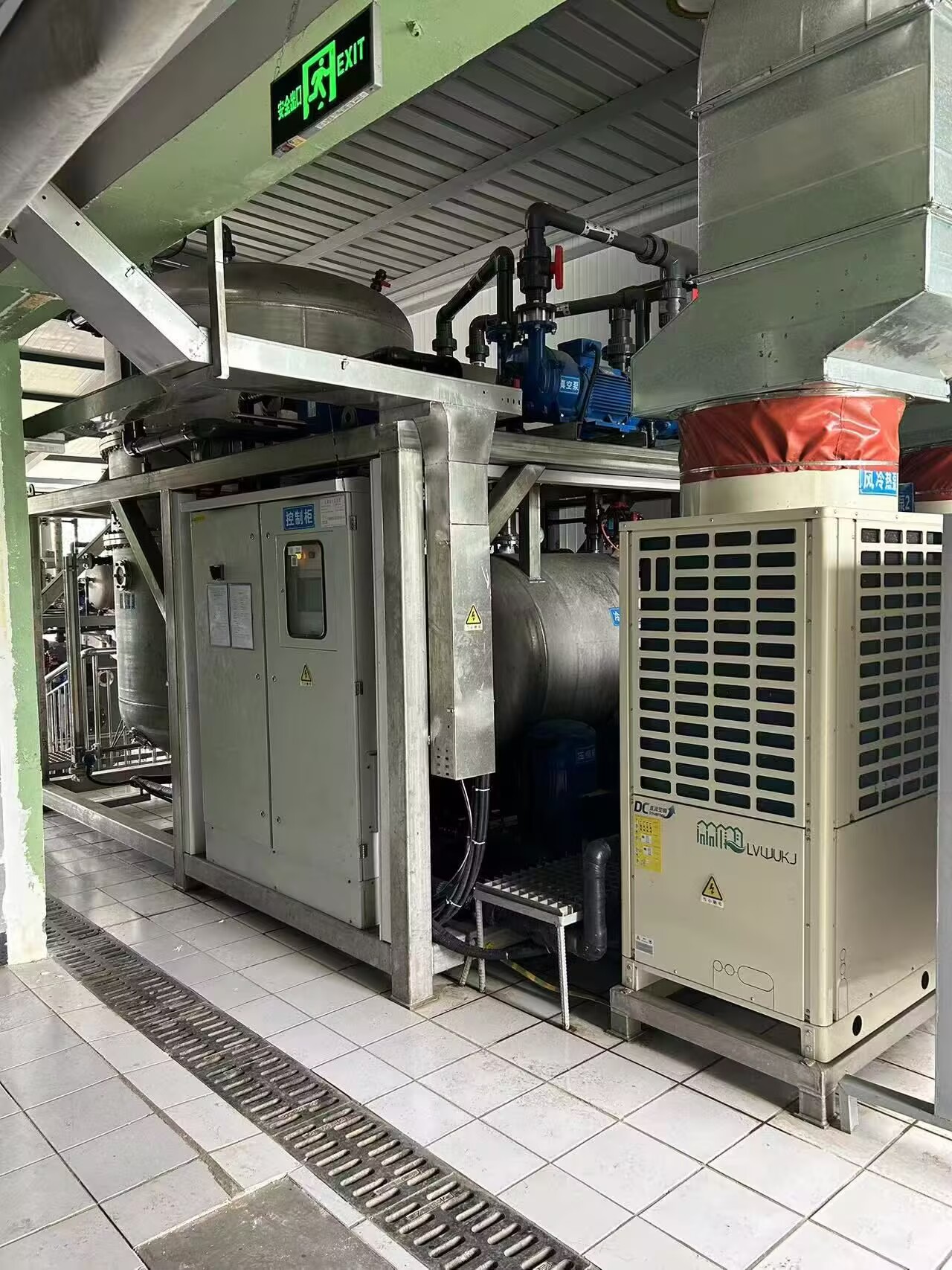
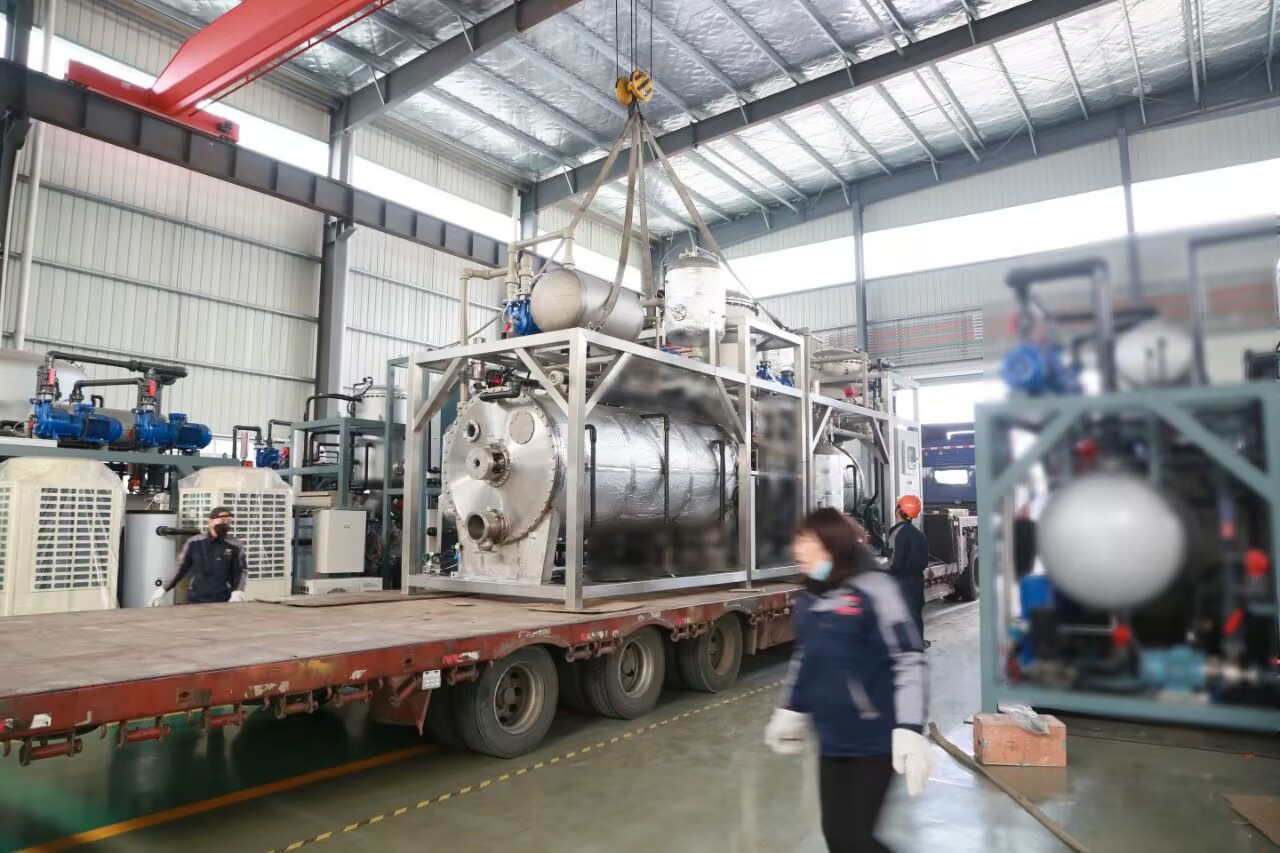
The chemical wastewater treatment process represents a sophisticated approach to managing industrial and municipal wastewater contamination. This specialized treatment system uses targeted chemical reactions to neutralize harmful substances, remove dissolved pollutants, and transform hazardous compounds into safer, manageable byproducts. The chemical wastewater treatment process operates through multiple stages, including coagulation, flocculation, precipitation, and oxidation, each designed to address specific contaminant categories. The main functions of the chemical wastewater treatment process include neutralizing acidic or alkaline effluent, removing heavy metals, eliminating organic compounds, and reducing suspended solids. Modern facilities implement advanced technological features such as automated dosing systems, real-time monitoring equipment, and multi-chamber reactors that optimize chemical interactions and treatment efficiency. These innovations ensure consistent quality output while minimizing chemical waste. Applications for the chemical wastewater treatment process span numerous industries, including pharmaceutical manufacturing, textile production, metal processing, food production, and petrochemical facilities. The versatility of this approach makes it invaluable across sectors generating complex wastewater streams. Environmental compliance drives widespread adoption, as regulatory standards increasingly demand sophisticated treatment solutions. The chemical wastewater treatment process delivers measurable results, transforming contaminated water into environmentally compliant discharge suitable for water bodies or recycling applications, making it essential infrastructure for responsible industrial operations.
New Product Recommendations

The chemical wastewater treatment process delivers substantial practical benefits for businesses managing industrial effluent and environmental obligations. Organizations gain immediate operational advantages through reliable contamination removal and consistent regulatory compliance. This treatment methodology effectively addresses diverse pollutant types simultaneously, streamlining multi-stage processing into efficient, manageable operations. Buyer value emerges through cost reduction and resource optimization. The chemical wastewater treatment process reduces downstream treatment requirements, minimizing overall infrastructure investment. Facilities achieve faster turnaround times compared to traditional biological methods, accelerating production cycles and increasing operational throughput. Environmental benefits translate to reduced liability exposure and improved corporate reputation, attracting environmentally conscious clients and investors. Operational advantages include predictable treatment outcomes and straightforward process control. The chemical wastewater treatment process responds quickly to contaminant variations, allowing operators to adjust chemical dosages in real-time for optimal results. Automated systems reduce labor intensity while improving safety conditions for personnel. Sludge generation remains manageable, with modern facilities implementing effective dewatering and disposal solutions. Application suitability extends across manufacturing sectors requiring rapid, reliable treatment. The chemical wastewater treatment process excels where biological treatment proves ineffective or too slow. Industries with temperature-sensitive or complex chemical signatures benefit significantly from this approach. Decision-useful context shows that investing in this technology prevents costly regulatory penalties, environmental remediation expenses, and production shutdowns. Companies modernizing their treatment infrastructure gain competitive advantages through enhanced environmental stewardship and operational reliability.

Practical Tips

Low Temperature Heat Pump Evaporator Maintenance Best Practices

24

Jul

Low Temperature Heat Pump Evaporator Maintenance Best Practices

Effective low temperature heat pump evaporator maintenance is essential for preserving system efficiency, extending equipment lifespan, and preventing costly downtime in industrial refrigeration applications. The evaporator represents a critical heat...
View More
Industrial Wastewater Treatment Systems: Buyer's Guide

02

Sep

Industrial Wastewater Treatment Systems: Buyer's Guide

Selecting the right industrial wastewater treatment systems represents one of the most critical infrastructure decisions for manufacturing, processing, and production facilities. Industrial wastewater treatment systems handle complex liquid waste str...
View More
Low Temperature Heat Pump Evaporator: Energy Saving Guide

24

Jul

Low Temperature Heat Pump Evaporator: Energy Saving Guide

Industrial facilities continuously seek ways to reduce operational costs while maintaining peak performance. A low temperature heat pump evaporator represents one of the most effective technologies for achieving significant energy savings in thermal ...
View More
Vacuum Distillation Setup Maintenance for Longevity

02

Sep

Vacuum Distillation Setup Maintenance for Longevity

A vacuum distillation setup represents a significant investment in industrial separation technology, and protecting that investment requires a structured maintenance approach. Whether your vacuum distillation setup operates in a pharmaceutical labora...
View More

Get a Free Quote

Our representative will contact you soon.
Email
Mobile
Name
Company Name
Message
0/1000

chemical wastewater treatment process

Advanced Contamination Removal Technology

Advanced Contamination Removal Technology

The chemical wastewater treatment process incorporates sophisticated removal mechanisms targeting multiple pollutant categories simultaneously. Advanced coagulation systems neutralize suspended particles while precipitation stages selectively extract dissolved contaminants including heavy metals and complex organics. This multi-mechanism approach eliminates contaminants conventional methods cannot address effectively. The chemical wastewater treatment process achieves removal rates exceeding 95 percent for targeted pollutants, far surpassing alternative treatment strategies. Real-time monitoring systems continuously adjust chemical dosages, maintaining optimal treatment conditions regardless of influent variations. Facilities implementing this technology report superior effluent quality and consistent compliance with stringent discharge standards. The precision engineering underlying this treatment system ensures predictable performance across diverse industrial applications, providing operators confidence in their environmental responsibilities while delivering measurable results.
Cost-Effective Industrial Implementation

Cost-Effective Industrial Implementation

Organizations adopting the chemical wastewater treatment process experience significant economic advantages through efficient resource utilization and reduced operational overhead. This treatment methodology requires minimal space compared to expansive biological systems, reducing real estate requirements and construction expenses. The chemical wastewater treatment process operates with straightforward chemical inputs and automated dosing mechanisms, eliminating complex biological culture management. Operating costs remain predictable and controllable, allowing accurate budgeting and financial planning. Facilities achieve faster treatment cycles than biological alternatives, maximizing production throughput and revenue generation. Chemical waste residuals are manageable and recyclable, reducing disposal expenses. Industries report impressive return-on-investment timelines, typically recouping treatment infrastructure costs within three to five years. The chemical wastewater treatment process proves particularly economical for seasonal operations and facilities with variable production volumes.
Regulatory Compliance and Environmental Protection

Regulatory Compliance and Environmental Protection

The chemical wastewater treatment process ensures facilities maintain strict adherence to evolving environmental regulations and discharge standards. This treatment approach delivers consistent, verifiable results documented through automated monitoring and reporting systems. Regulatory agencies recognize the chemical wastewater treatment process as best-available technology for numerous contaminant categories, facilitating permit acquisition and renewal. Facilities implementing this system demonstrate genuine environmental commitment, strengthening community relationships and regulatory standing. The chemical wastewater treatment process eliminates persistent pollutants preventing environmental accumulation and ecosystem damage. Treatment records provide comprehensive documentation supporting audit procedures and environmental certifications. Industries avoiding regulatory violations through proactive treatment investment prevent substantial penalties, remediation costs, and operational disruptions. Environmental compliance achieved via the chemical wastewater treatment process protects water resources while positioning organizations as responsible environmental stewards within their communities.

Get a Free Quote

Our representative will contact you soon.
Email
Mobile
Name
Company Name
Message
0/1000