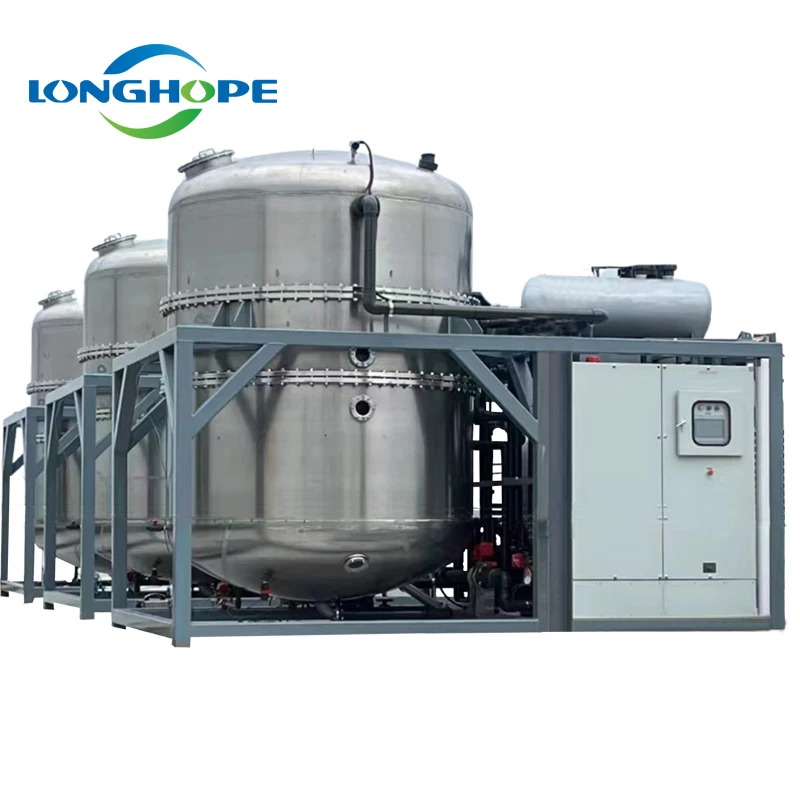
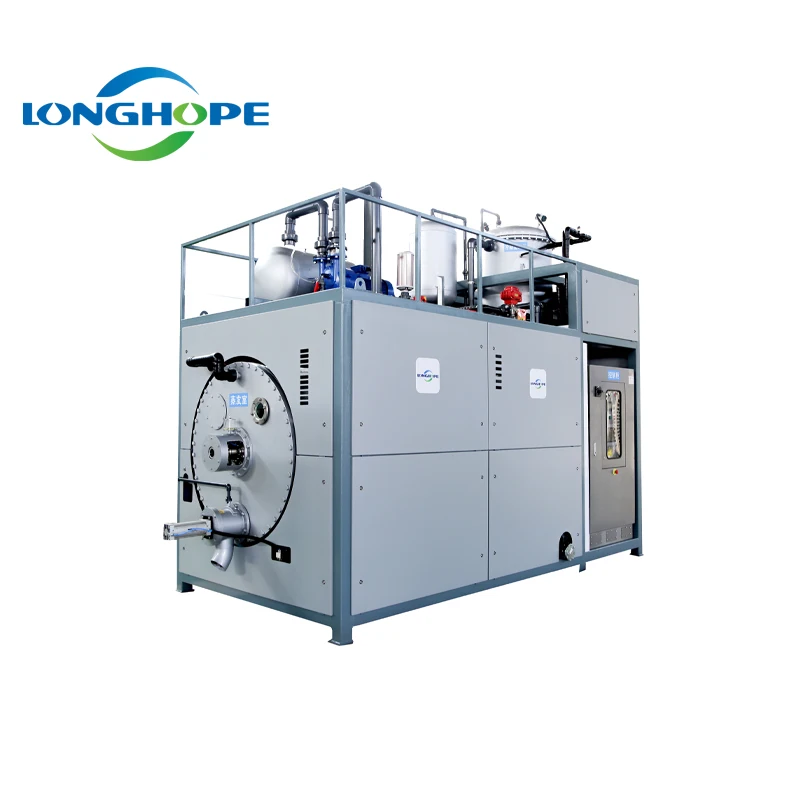
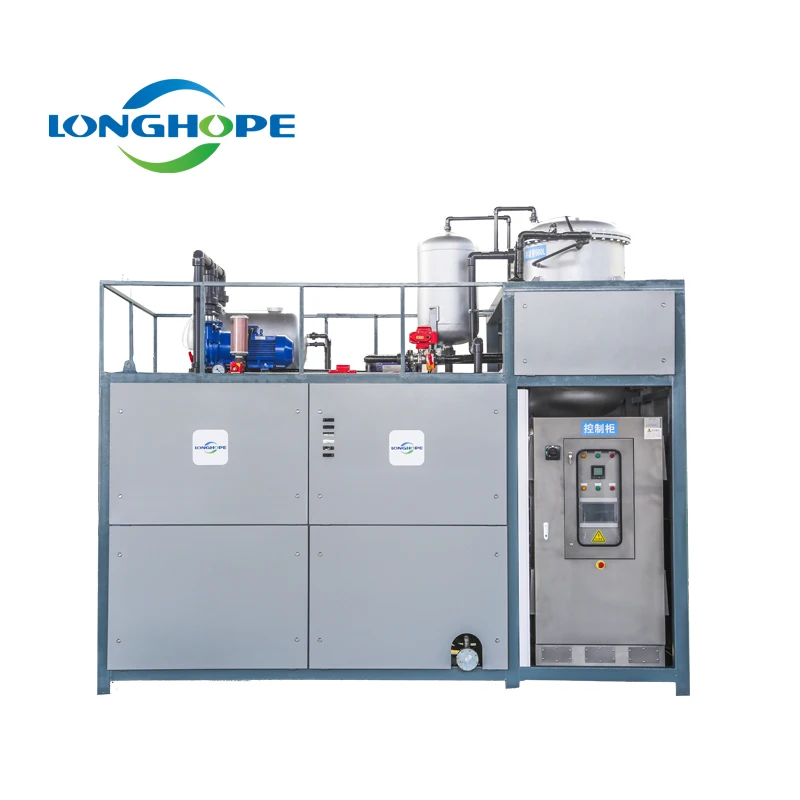
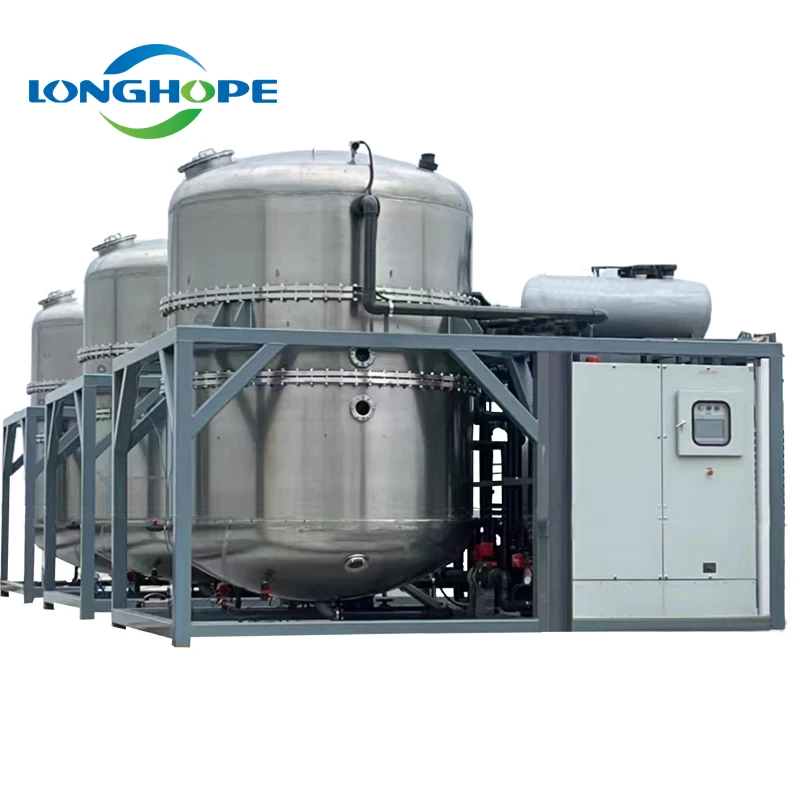
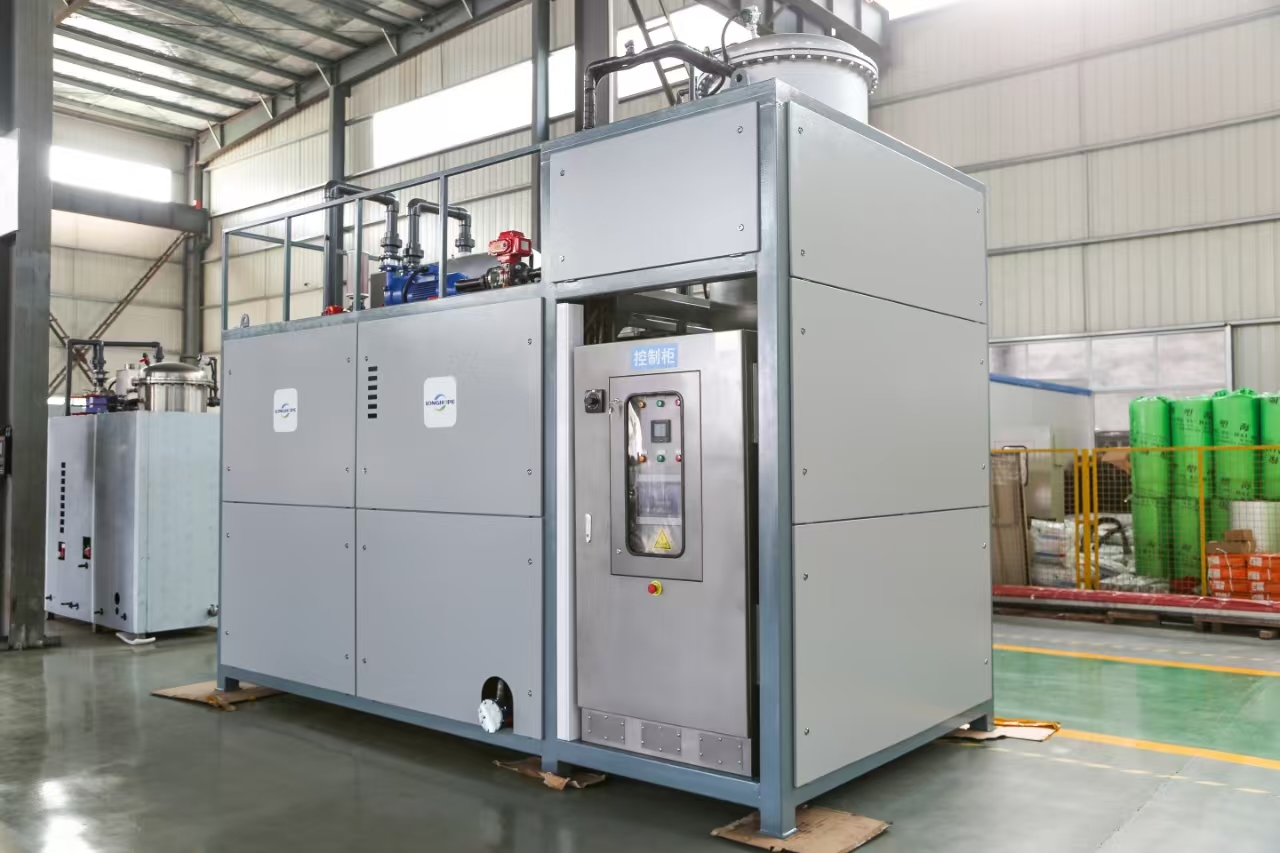
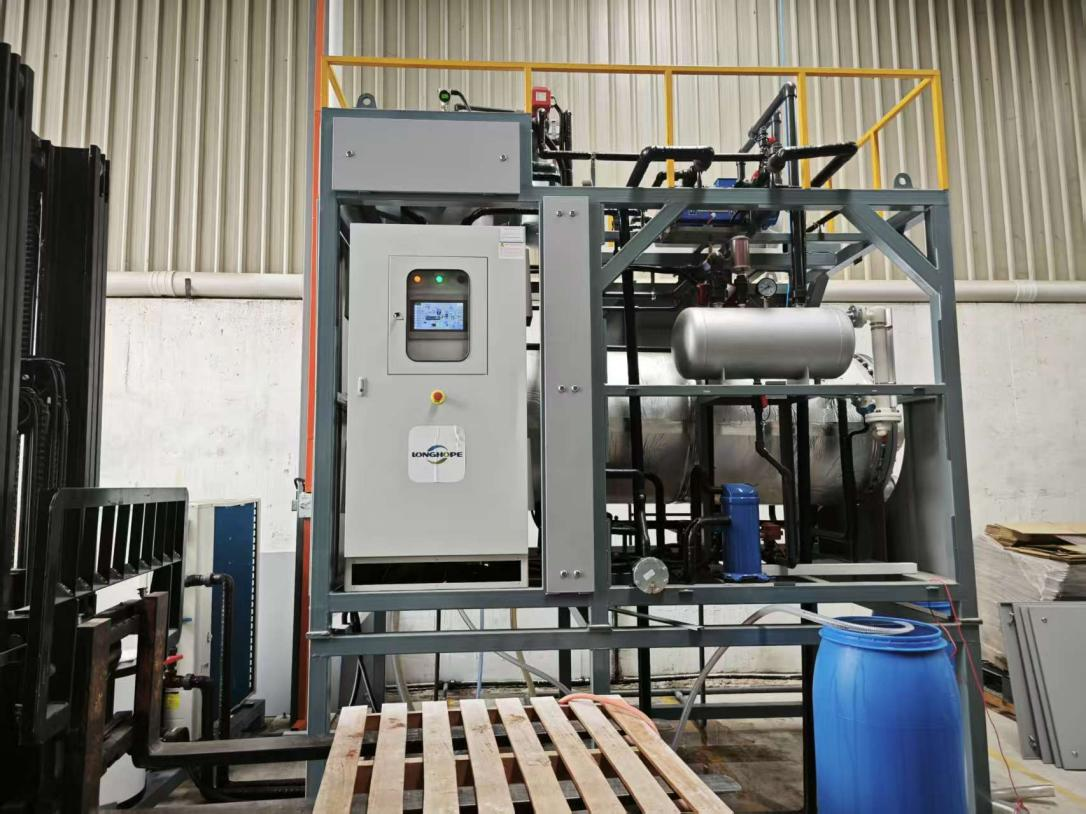
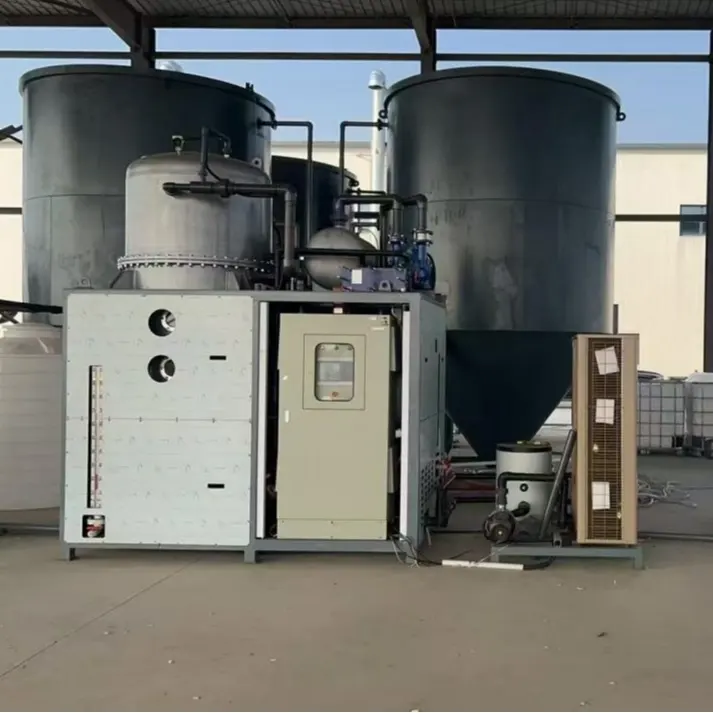
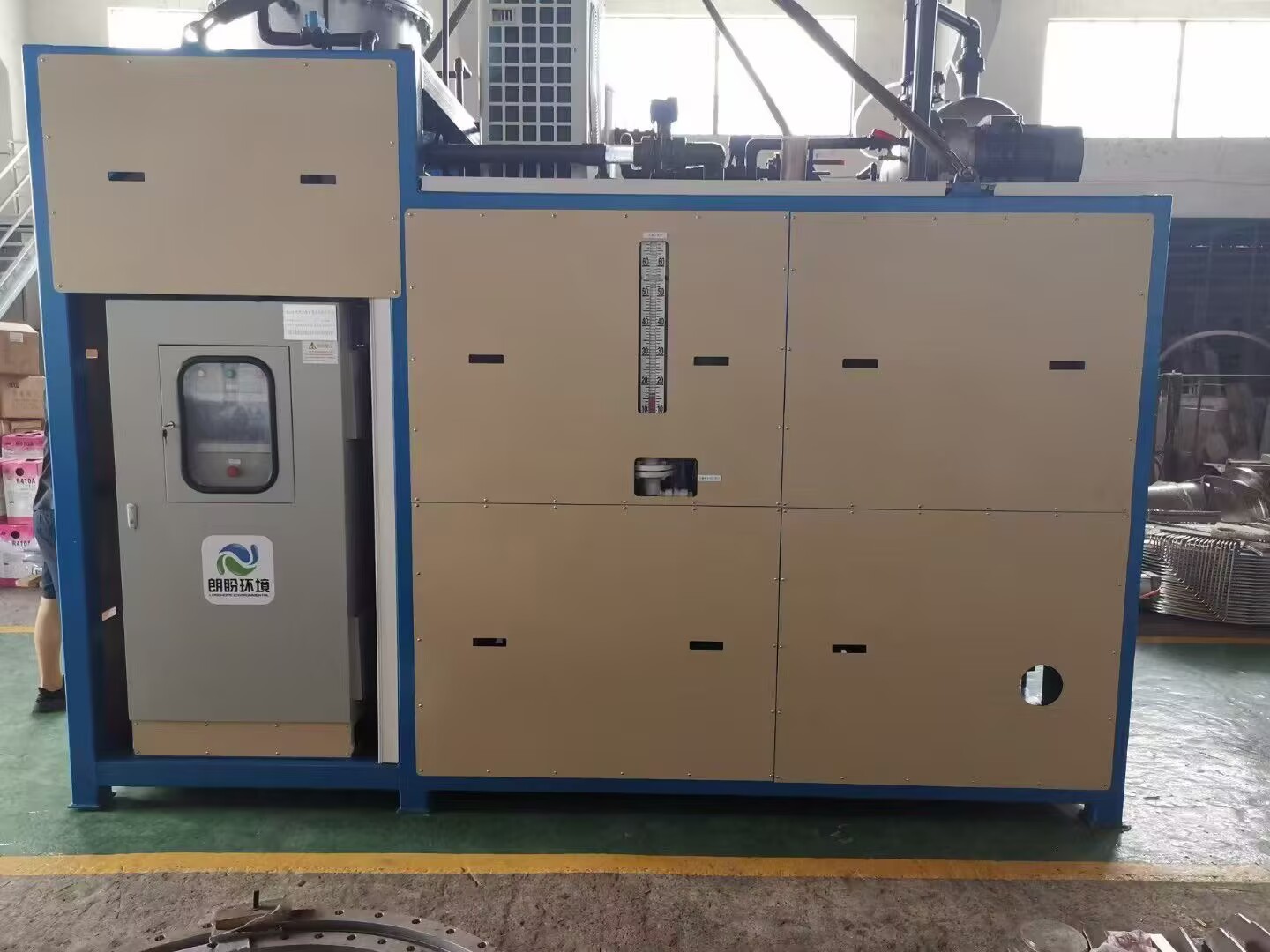
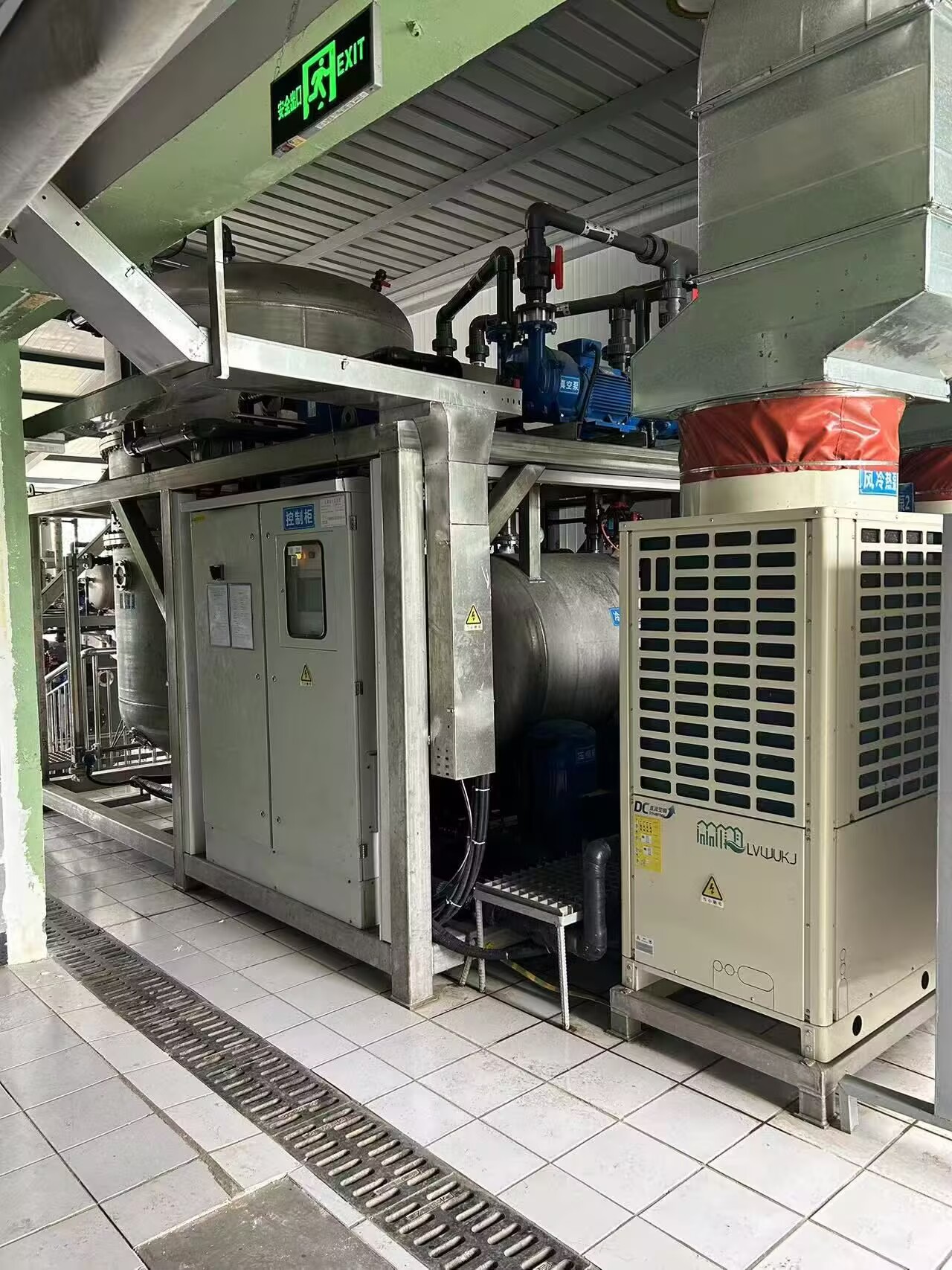
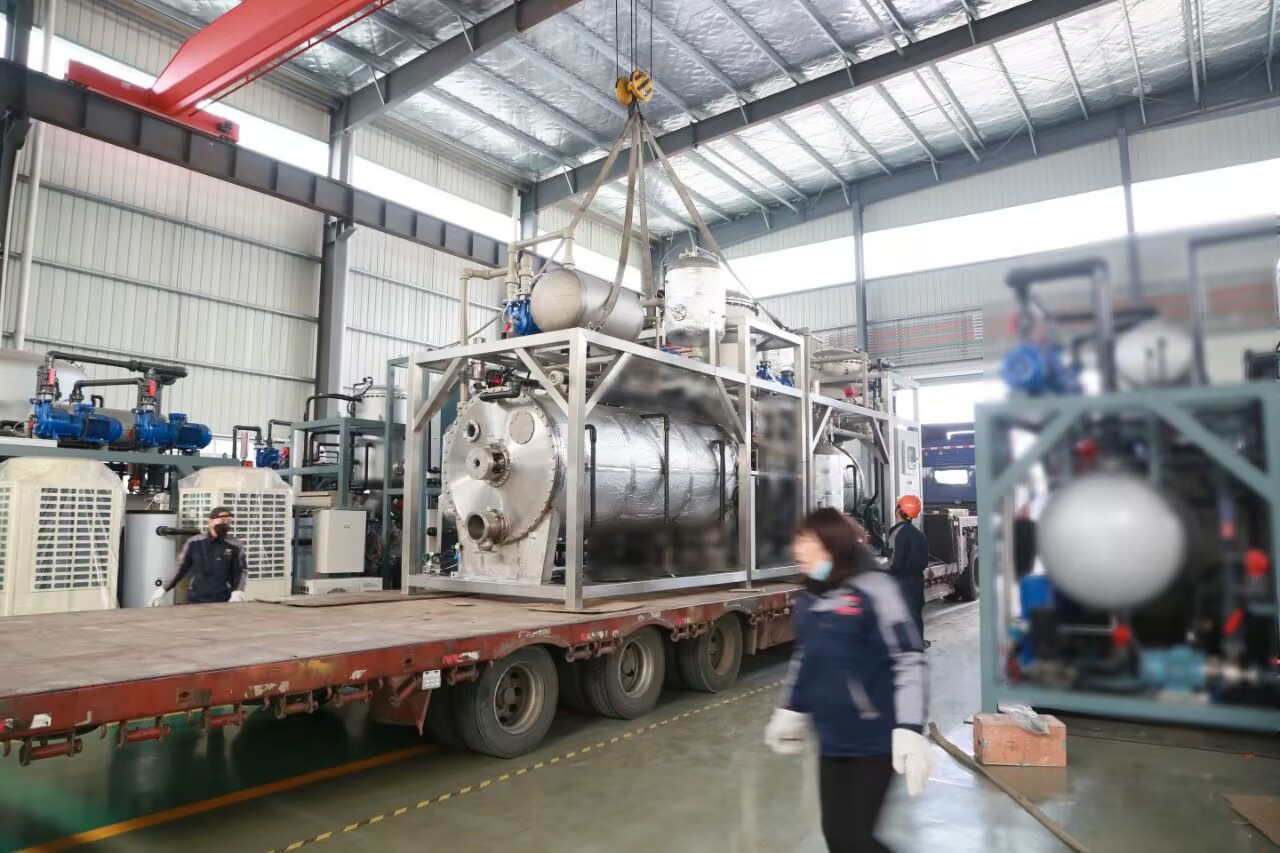
typical wastewater treatment process
The typical wastewater treatment process represents a comprehensive system designed to remove contaminants from wastewater before it returns to the environment or gets reused. This typical wastewater treatment process involves multiple stages that work together to eliminate physical, chemical, and biological pollutants. The primary function of this typical wastewater treatment process is to protect public health and environmental quality by treating contaminated water from residential, commercial, and industrial sources.
A standard typical wastewater treatment process begins with preliminary treatment, which removes large solids and debris through screening and grit removal. The primary treatment stage follows, utilizing sedimentation to separate suspended solids from liquid waste. Secondary treatment employs biological methods where microorganisms break down organic matter in aeration tanks and clarifiers. Tertiary treatment provides advanced purification through filtration, chemical treatment, and disinfection processes.
The typical wastewater treatment process incorporates modern technological features including automated monitoring systems, energy-efficient aeration equipment, and advanced control mechanisms. These innovations enhance the efficiency and reliability of water purification operations. Applications of this typical wastewater treatment process span municipal water treatment facilities, industrial plants, agricultural operations, and commercial establishments. The process adapts to various wastewater compositions and treatment requirements, making it essential infrastructure for communities worldwide. Modern implementations of the typical wastewater treatment process continuously evolve to meet stricter environmental regulations and emerging contaminant challenges.
 EN