industrial wastewater treatment cost
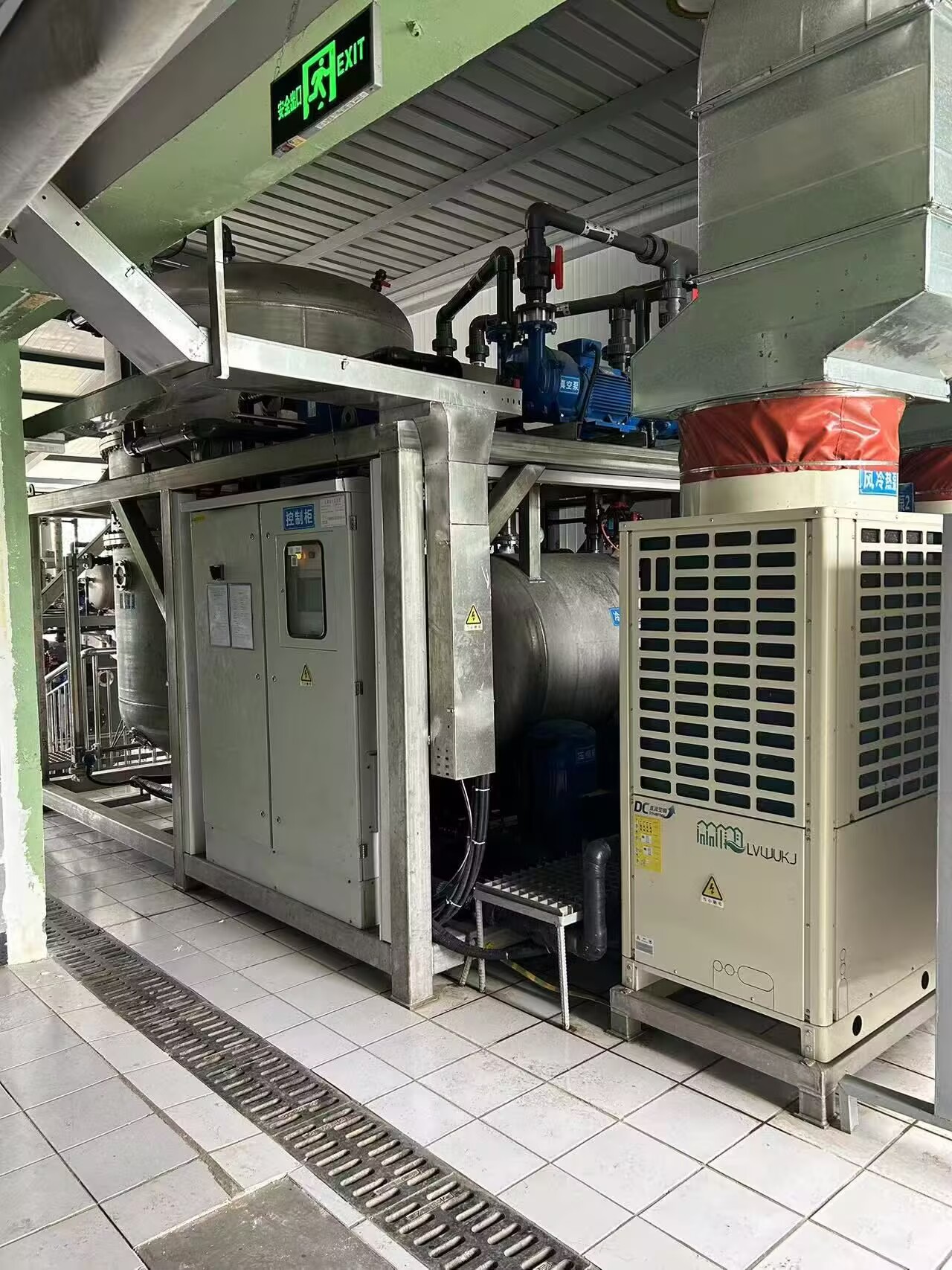
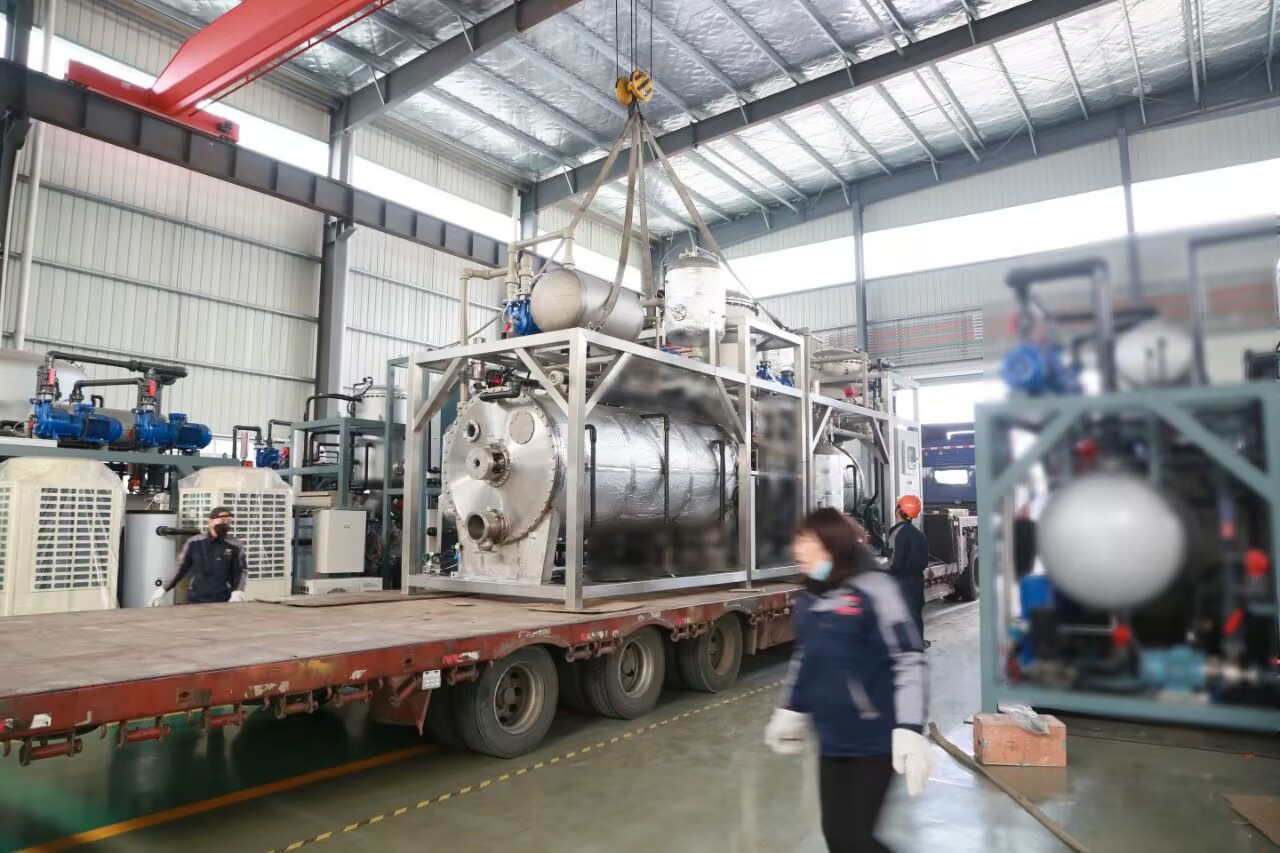
Industrial wastewater treatment cost represents a critical investment for manufacturing facilities seeking to manage environmental compliance effectively. Understanding industrial wastewater treatment cost is essential for businesses operating in sectors like pharmaceuticals, chemicals, food processing, and electronics manufacturing. The primary function of industrial wastewater treatment cost analysis involves evaluating expenses associated with removing contaminants, heavy metals, and harmful substances from water before discharge or reuse. This comprehensive approach to industrial wastewater treatment cost incorporates multiple technological features designed to maximize efficiency and minimize operational expenses. Advanced treatment systems utilize physical, chemical, and biological processes to address diverse pollutant profiles. Technologies integrated into modern industrial wastewater treatment cost structures include membrane filtration, activated sludge systems, reverse osmosis, and ion exchange methods. These systems remove suspended solids, dissolved minerals, bacteria, and chemical pollutants effectively. Applications for industrial wastewater treatment cost solutions span across numerous industries. Manufacturing plants require treatment systems to comply with environmental regulations and protect public water supplies. Pharmaceutical companies utilize specialized treatment addressing drug residues and complex chemical compounds. Food and beverage processors need systems handling organic matter and nutrient removal. The textile industry benefits from dye and chemical treatment capabilities. Steel mills and metal fabrication facilities require heavy metal removal technologies. Understanding the complete picture of industrial wastewater treatment cost enables companies to budget accurately, select appropriate technologies, and achieve regulatory compliance while protecting environmental resources and community health.
 EN