Effluent Treatment Plant Chemical Industry Solutions

All Categories

Get a Free Quote

Our representative will contact you soon.
Email
Mobile
Name
Company Name
Message
0/1000

effluent treatment plant in chemical industry

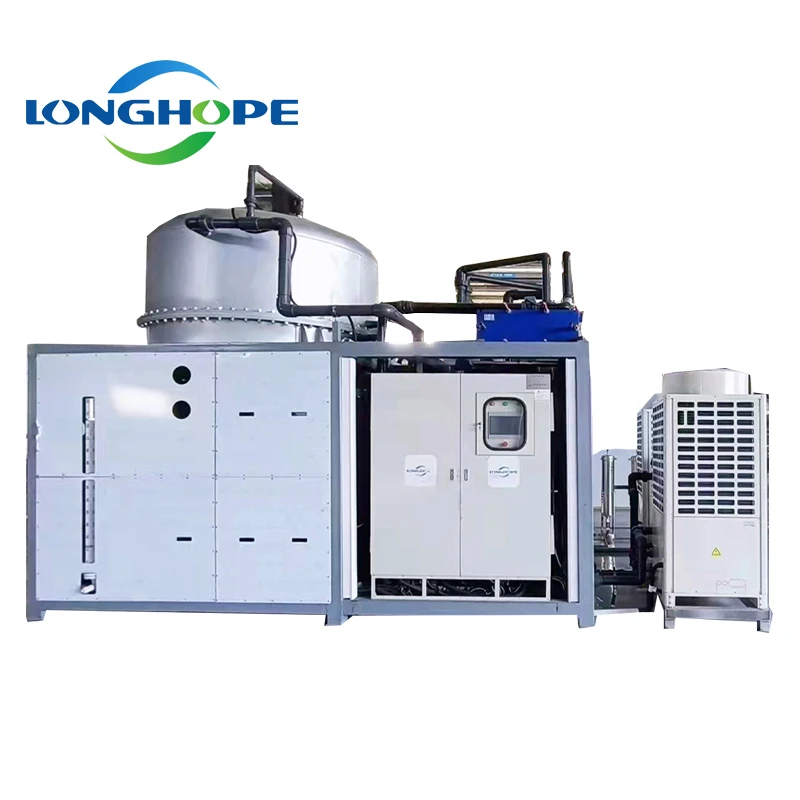
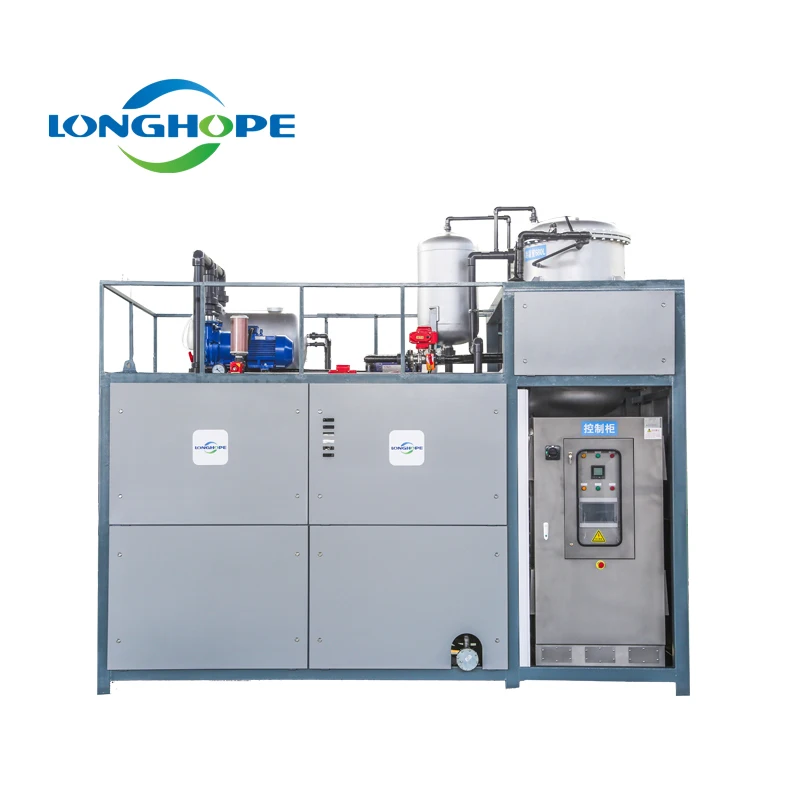
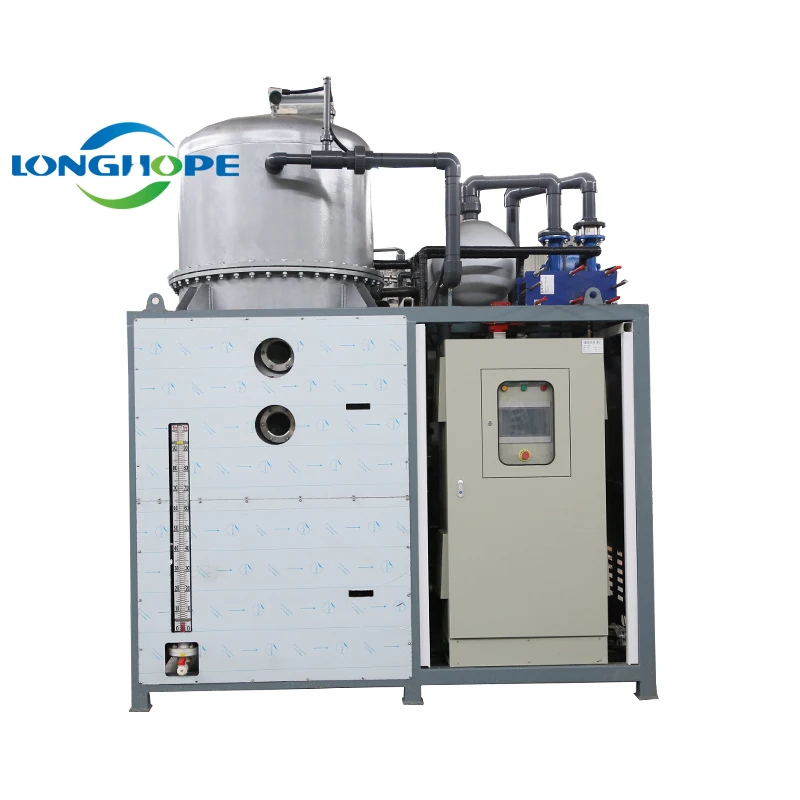
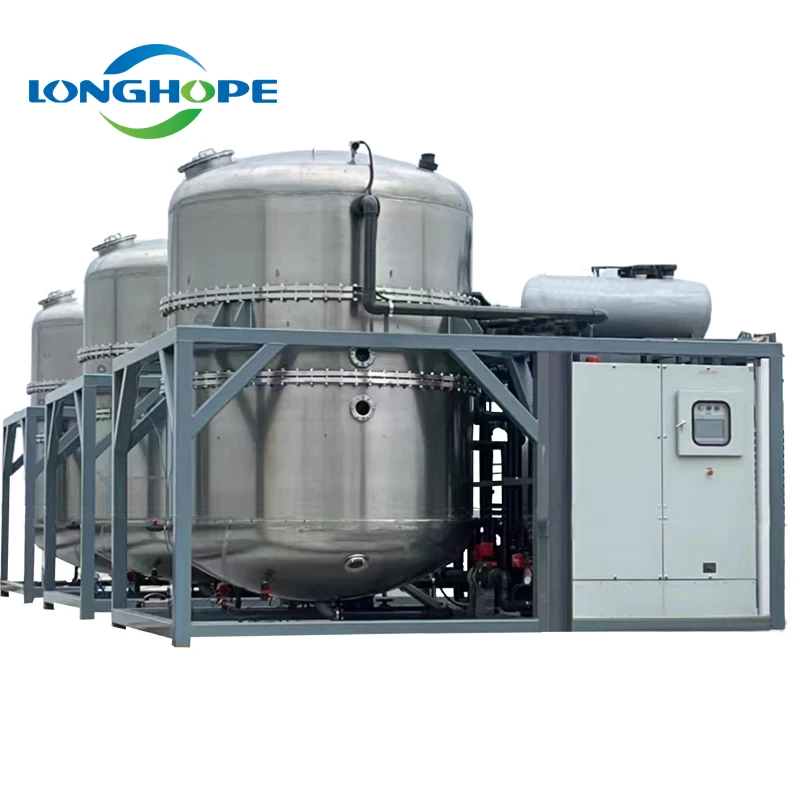
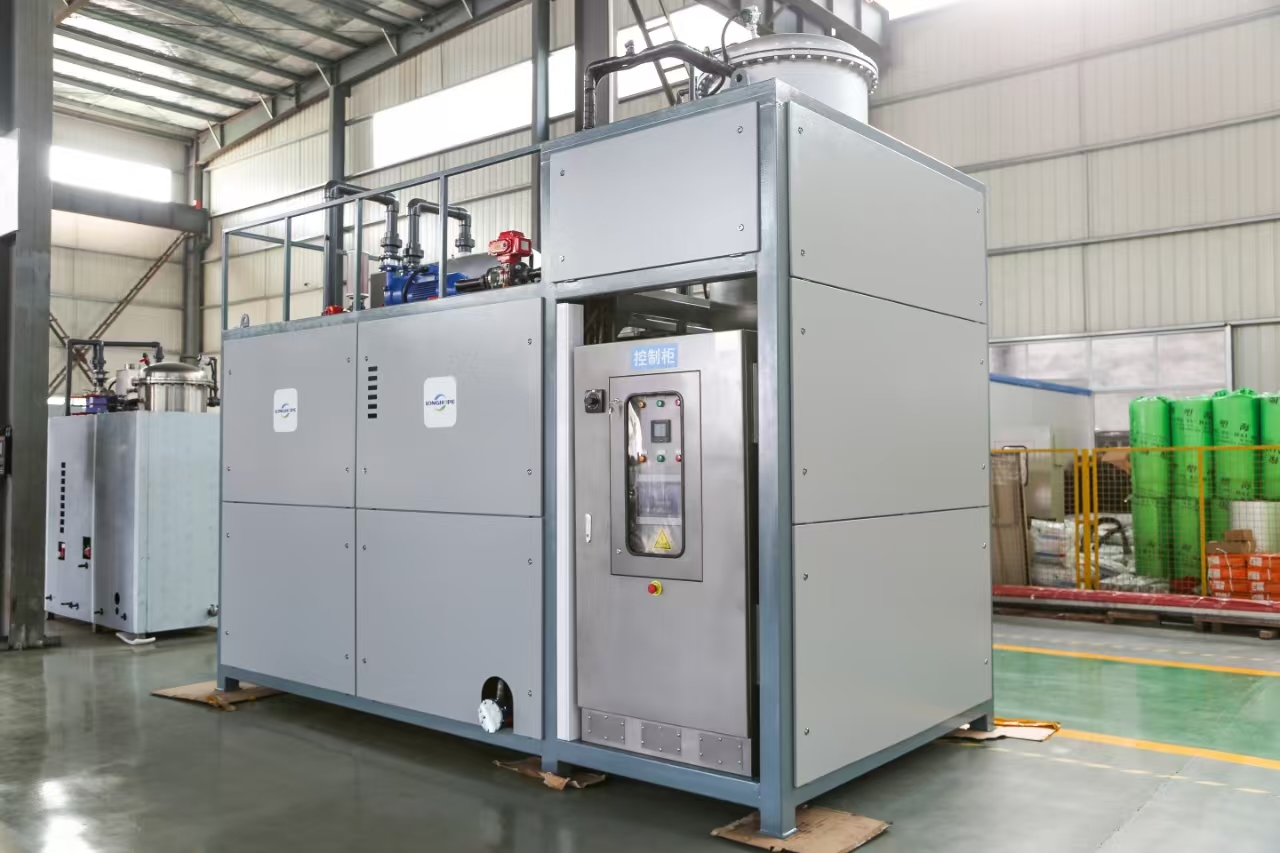
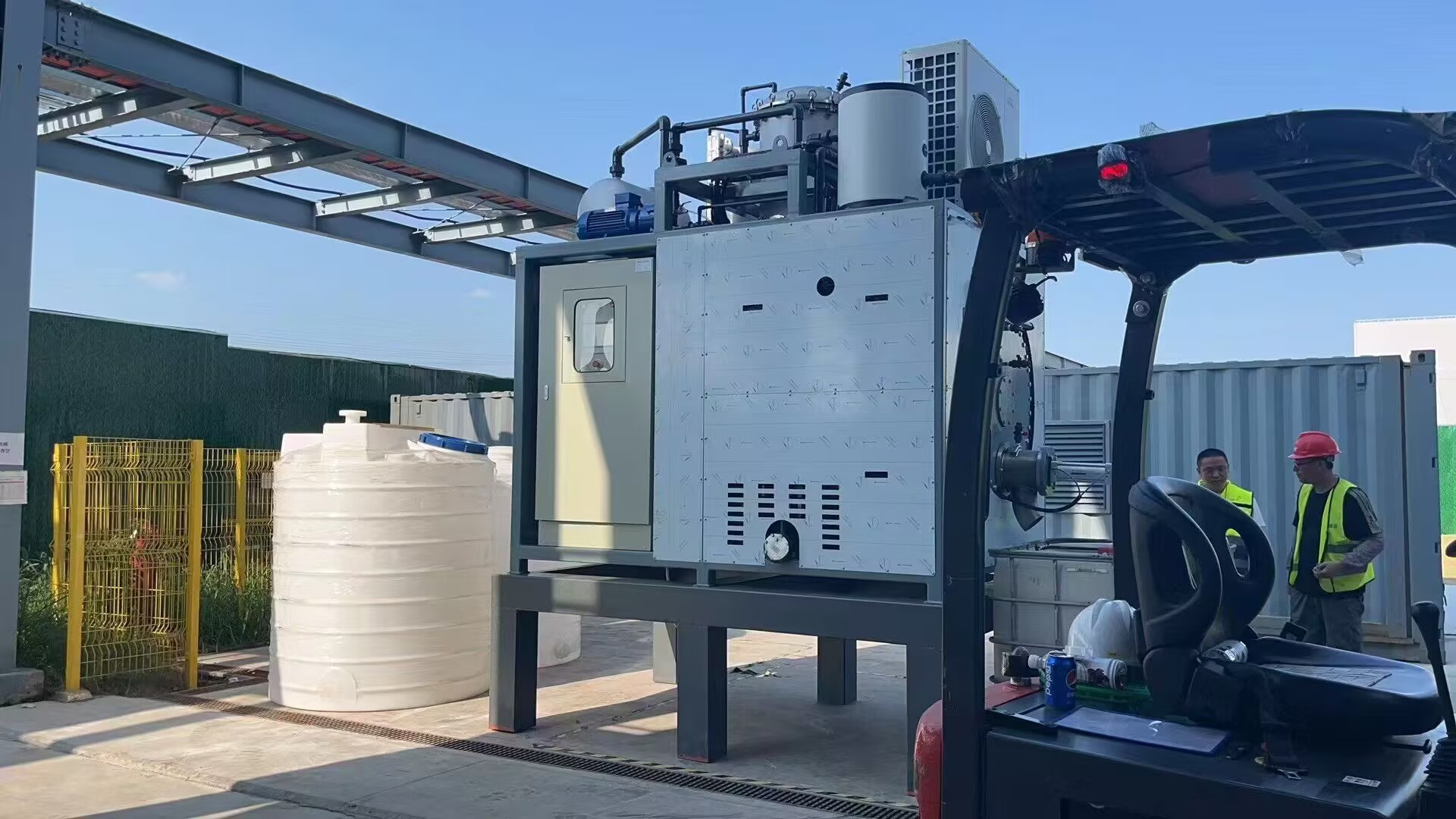
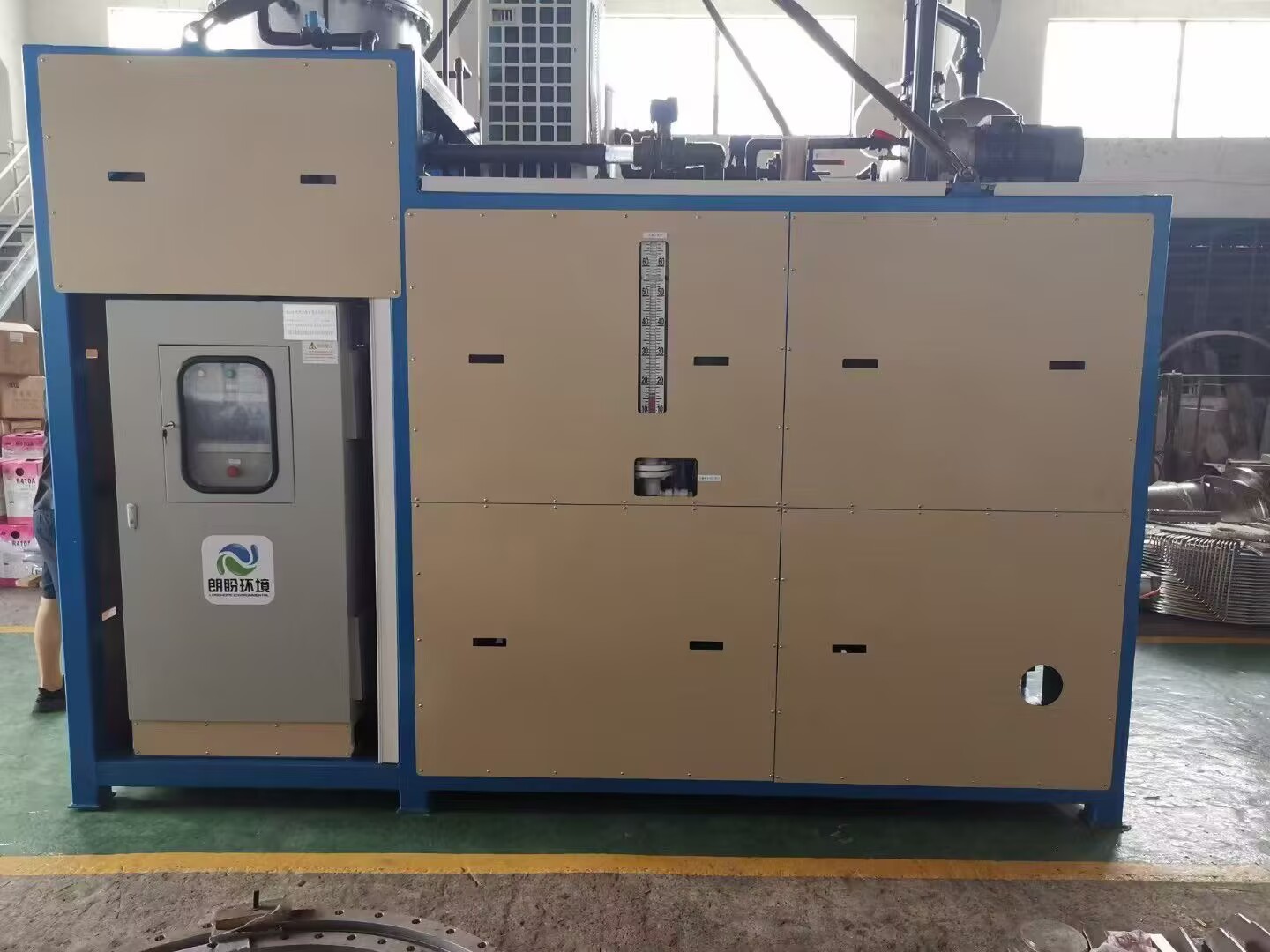
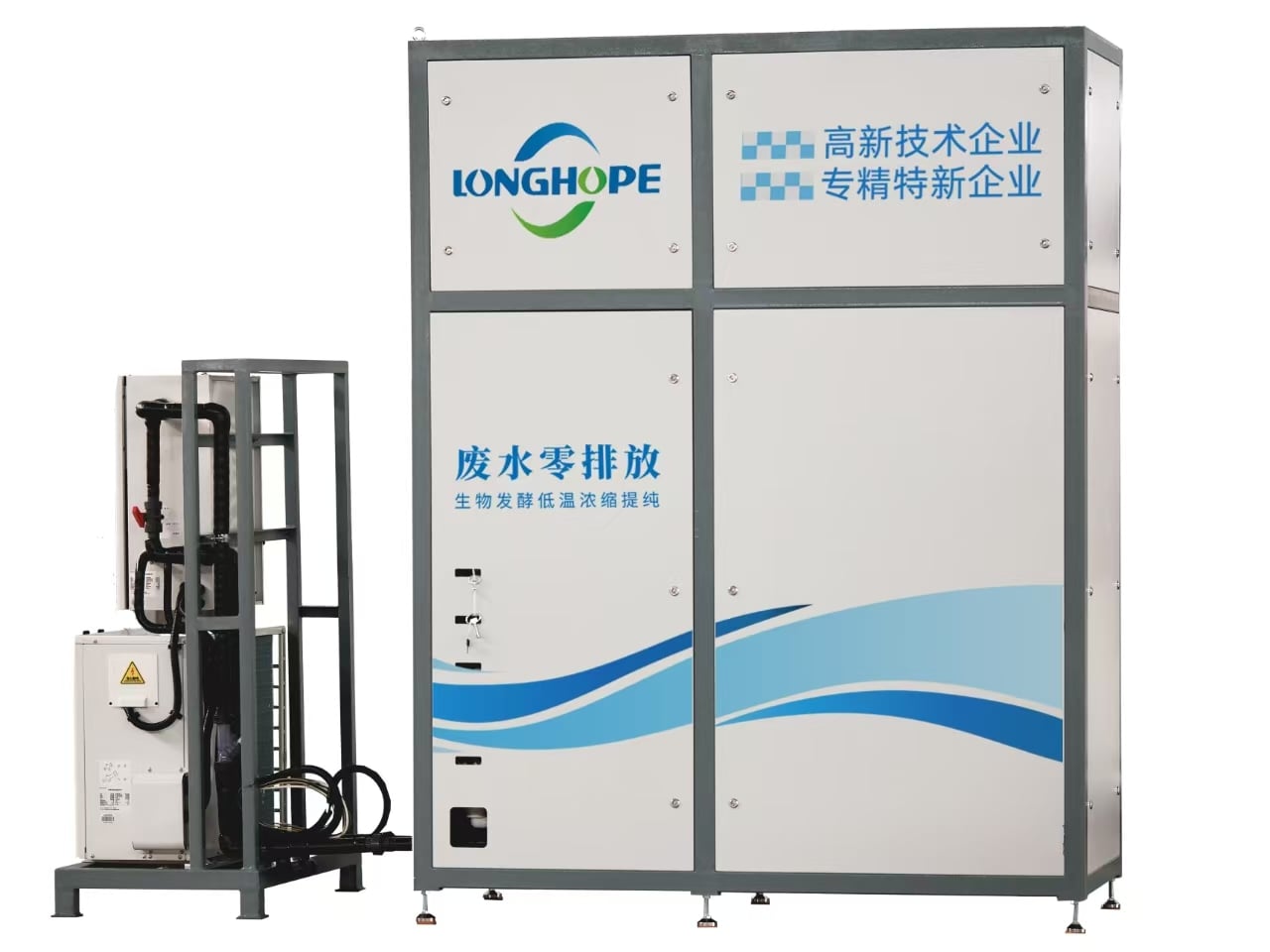
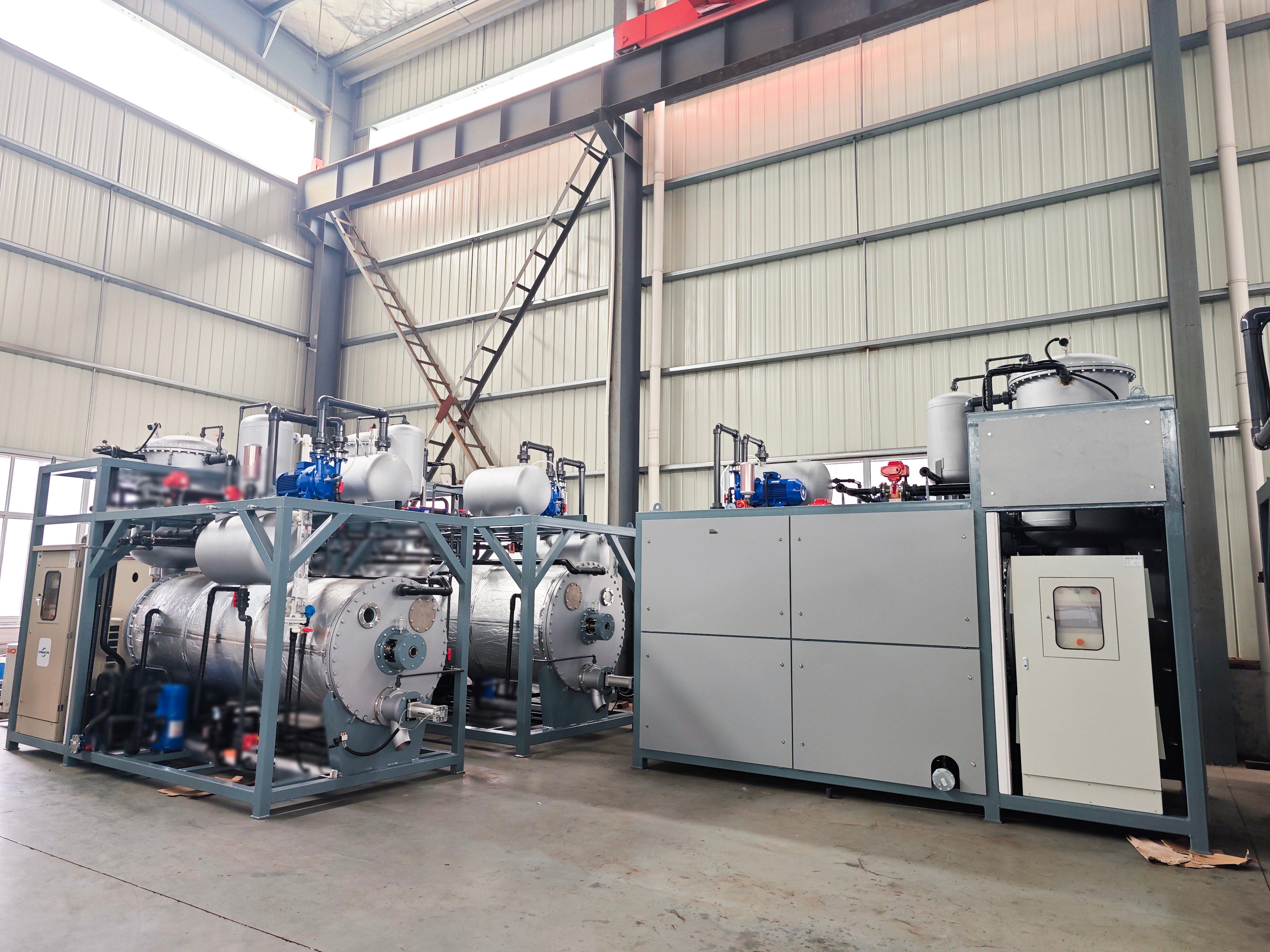
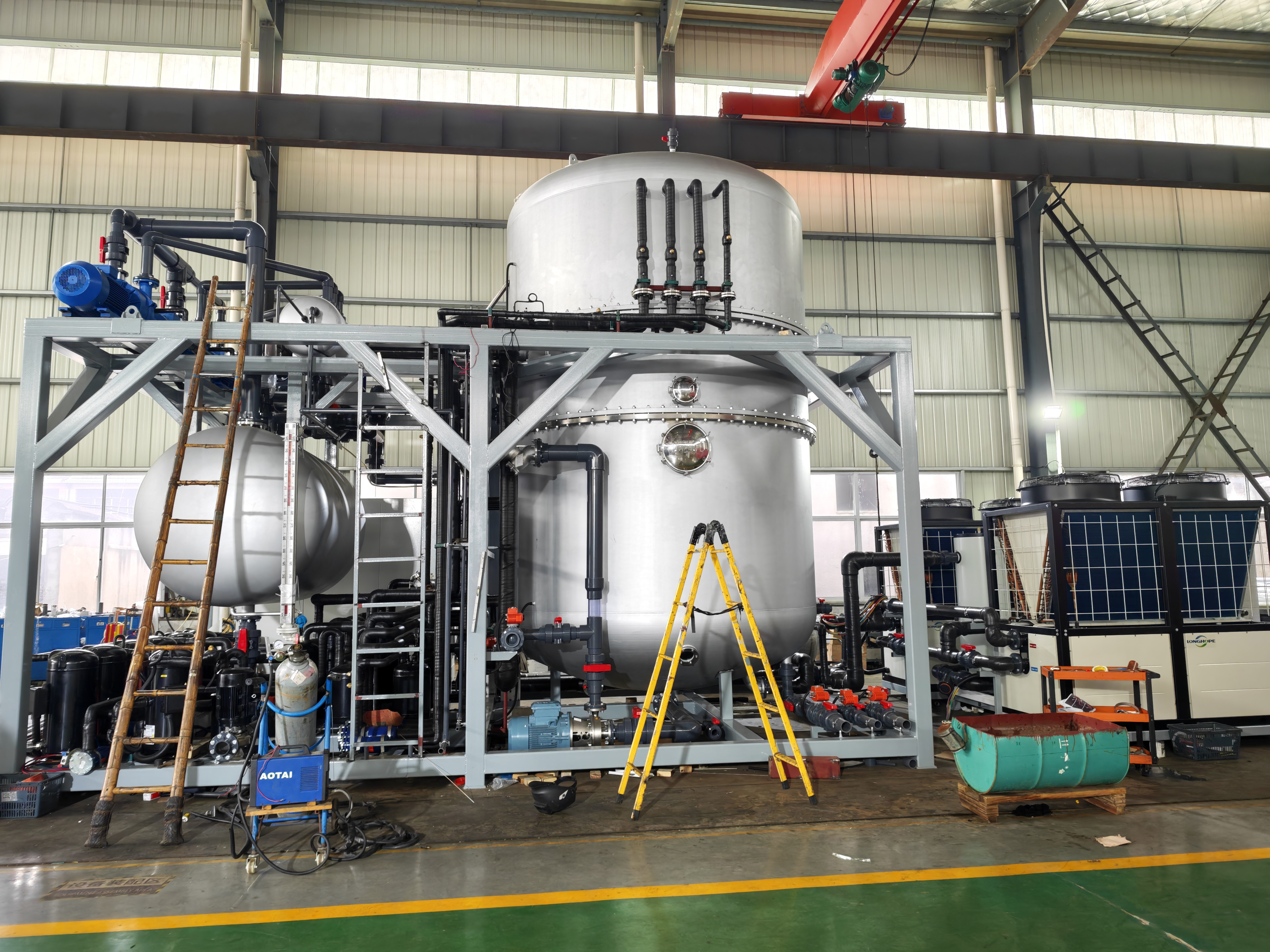
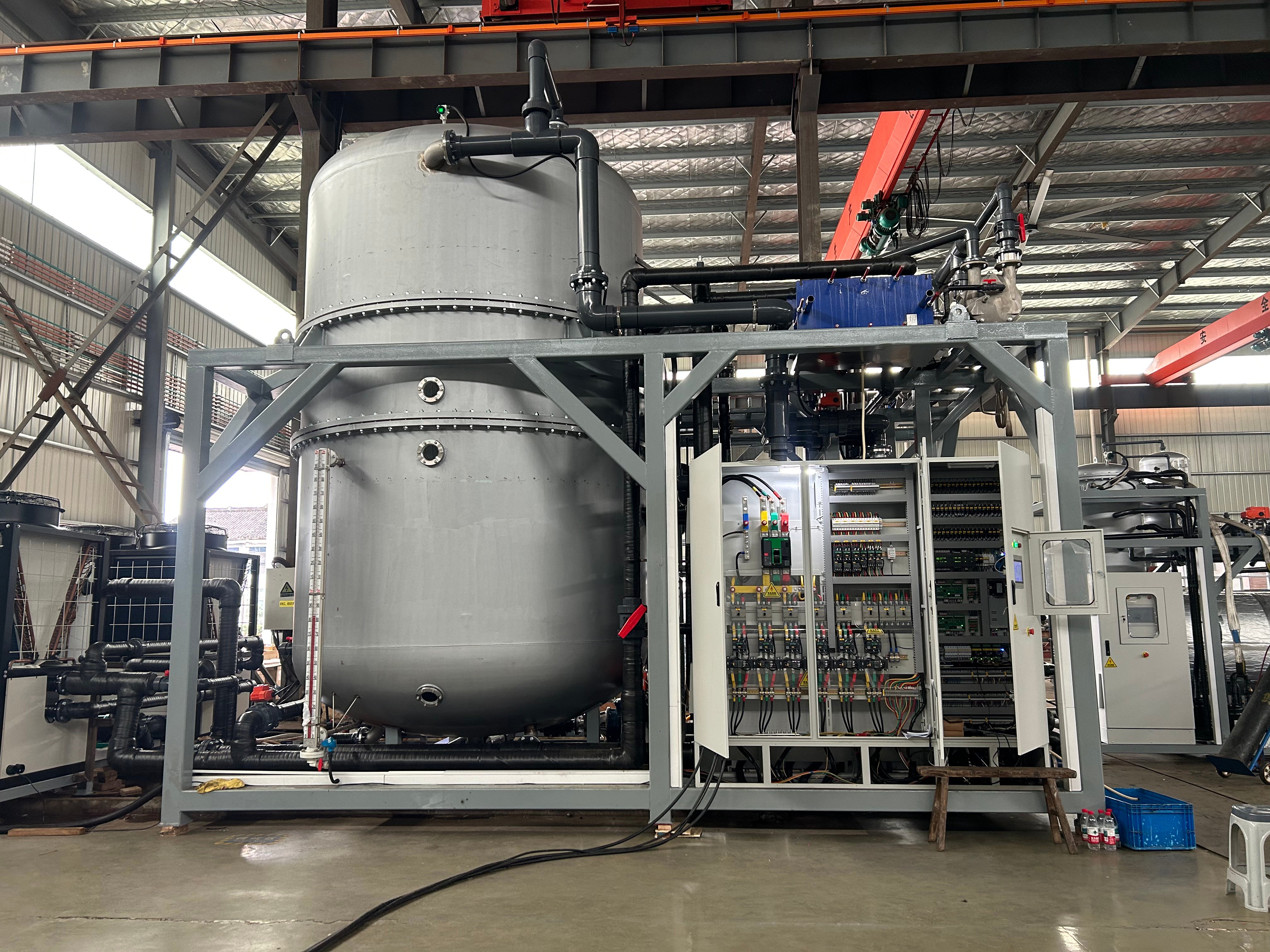
An effluent treatment plant in chemical industry represents a critical infrastructure system designed to manage and purify wastewater generated during chemical manufacturing processes. This specialized facility handles diverse effluent streams containing hazardous substances, heavy metals, and organic compounds that require sophisticated treatment before environmental discharge. The primary functions of an effluent treatment plant in chemical industry include removing contaminants, neutralizing acidic or alkaline solutions, precipitating dissolved metals, and eliminating toxic organic compounds. The plant operates through multiple treatment stages, beginning with preliminary screening and settling, followed by chemical coagulation and flocculation processes that aggregate suspended particles for easier removal. Technologically, an effluent treatment plant in chemical industry incorporates advanced features such as multi-stage filtration systems, activated carbon absorption units, membrane separation technologies, and biological treatment reactors. These components work synergistically to achieve regulatory compliance standards while maximizing treatment efficiency. Automation systems monitor water quality parameters continuously, allowing real-time adjustments to treatment processes. Applications of an effluent treatment plant in chemical industry extend across pharmaceutical manufacturing, petrochemical production, specialty chemicals, and agrochemical facilities. Each application demands customized treatment configurations based on specific effluent composition and discharge regulations. The plant ensures companies meet stringent environmental standards while protecting local water resources and maintaining operational sustainability in their chemical manufacturing processes.
New Product Releases

An effluent treatment plant in chemical industry delivers substantial operational and environmental advantages for manufacturing facilities seeking reliable wastewater management solutions. The primary buyer value lies in regulatory compliance, as businesses using an effluent treatment plant in chemical industry eliminate violations, penalties, and operational shutdowns associated with improper waste discharge. Operational benefits prove equally compelling. Implementing an effluent treatment plant in chemical industry reduces treatment costs through process optimization and resource recovery capabilities. Many systems feature recycling mechanisms that return treated water to production processes, significantly decreasing freshwater consumption and utility expenses. This creates measurable cost savings across facility operations. Decision-useful product context shows that an effluent treatment plant in chemical industry adapts to varying production volumes and effluent compositions. Scalable treatment configurations accommodate facility growth without requiring complete system replacement. The technology supports diverse chemical manufacturing applications, from small-scale specialty production to large-scale industrial operations. Application suitability extends across multiple chemical sectors. An effluent treatment plant in chemical industry handles pharmaceutical waste streams, petroleum refinery effluents, and agrochemical production discharges effectively. Modular treatment stages allow customization for specific contaminant profiles, ensuring optimal performance regardless of manufacturing focus. Environmental stewardship represents another critical advantage. By implementing an effluent treatment plant in chemical industry, manufacturers demonstrate corporate responsibility, protect surrounding communities, and preserve aquatic ecosystems. This commitment enhances brand reputation and facilitates stakeholder relationships. Additionally, treated effluent often meets stringent reuse standards, enabling sustainable water management practices throughout chemical manufacturing operations.

Tips And Tricks

Vacuum Distillation System Maintenance Best Practices

24

Jul

Vacuum Distillation System Maintenance Best Practices

Proper vacuum distillation system maintenance is critical for industries relying on separation, purification, and concentration processes. A well-maintained vacuum distillation system ensures consistent product quality, minimizes operational downtime...
View More
Top 5 Evaporator System Design Features for Industry

24

Jul

Top 5 Evaporator System Design Features for Industry

Selecting the right evaporator system design is critical for industrial operations managing wastewater treatment, chemical processing, and liquid concentration challenges. An effective evaporator system design determines not only operational efficien...
View More
Evaporator System Maintenance: Tips for Longevity

24

Jul

Evaporator System Maintenance: Tips for Longevity

Evaporator system maintenance is critical to ensuring your industrial cooling and waste-water treatment equipment operates reliably and efficiently over the long term. Whether your facility relies on evaporator systems for refrigeration, heat exchang...
View More
Choosing the Right Evaporator System for Your Plant

24

Jul

Choosing the Right Evaporator System for Your Plant

Selecting an evaporator system for your industrial plant is one of the most critical decisions you will make in your facility's operational strategy. An evaporator system directly impacts energy consumption, product quality, waste management efficien...
View More

Get a Free Quote

Our representative will contact you soon.
Email
Mobile
Name
Company Name
Message
0/1000

effluent treatment plant in chemical industry

Advanced Multi-Stage Treatment Technology

Advanced Multi-Stage Treatment Technology

An effluent treatment plant in chemical industry employs sophisticated multi-stage treatment architecture that systematically removes contaminants through sequential purification processes. The system begins with physical separation through screening and sedimentation, removing large suspended particles and debris. Subsequently, chemical treatment stages address dissolved contaminants through carefully calibrated coagulation and flocculation procedures that aggregate microscopic particles into larger, easily removable flocs. Advanced filtration technologies including sand filters, multimedia filters, and membrane systems provide progressive refinement of treated water quality. Activated carbon absorption units capture residual organic compounds and dissolved impurities that other treatment stages miss. This layered approach ensures comprehensive contamination removal while maintaining system reliability and treatment consistency throughout variable production cycles within chemical industry operations.
Regulatory Compliance and Environmental Protection

Regulatory Compliance and Environmental Protection

An effluent treatment plant in chemical industry guarantees compliance with increasingly stringent environmental regulations governing wastewater discharge from chemical manufacturing facilities. The system achieves effluent quality standards established by environmental agencies, preventing costly violations and operational disruptions. Real-time monitoring systems track critical parameters including pH levels, suspended solids, heavy metal concentrations, and biochemical oxygen demand, ensuring consistent compliance. Environmental protection capabilities extend beyond regulatory adherence. An effluent treatment plant in chemical industry prevents contamination of groundwater and surface water resources that surrounding communities depend upon. By removing hazardous substances before environmental release, these systems protect aquatic ecosystems and public health. This commitment to environmental stewardship strengthens community relationships and supports sustainable chemical industry development while fulfilling corporate responsibility obligations.
Cost Efficiency and Water Resource Recovery

Cost Efficiency and Water Resource Recovery

An effluent treatment plant in chemical industry delivers significant economic advantages through operational cost reduction and resource recovery capabilities. Many advanced systems incorporate water recycling mechanisms that return treated effluent to production processes, substantially decreasing freshwater consumption and associated utility costs. This circular approach reduces operating expenses while promoting sustainable resource management within chemical manufacturing operations. Energy-efficient treatment technologies minimize power consumption throughout purification processes, further reducing operational overhead. Automated control systems optimize treatment intensity based on actual contaminant loads, preventing unnecessary chemical usage and extending equipment lifespan. By implementing an effluent treatment plant in chemical industry, manufacturers achieve measurable cost savings that improve financial performance while maintaining environmental compliance and operational reliability.

Get a Free Quote

Our representative will contact you soon.
Email
Mobile
Name
Company Name
Message
0/1000