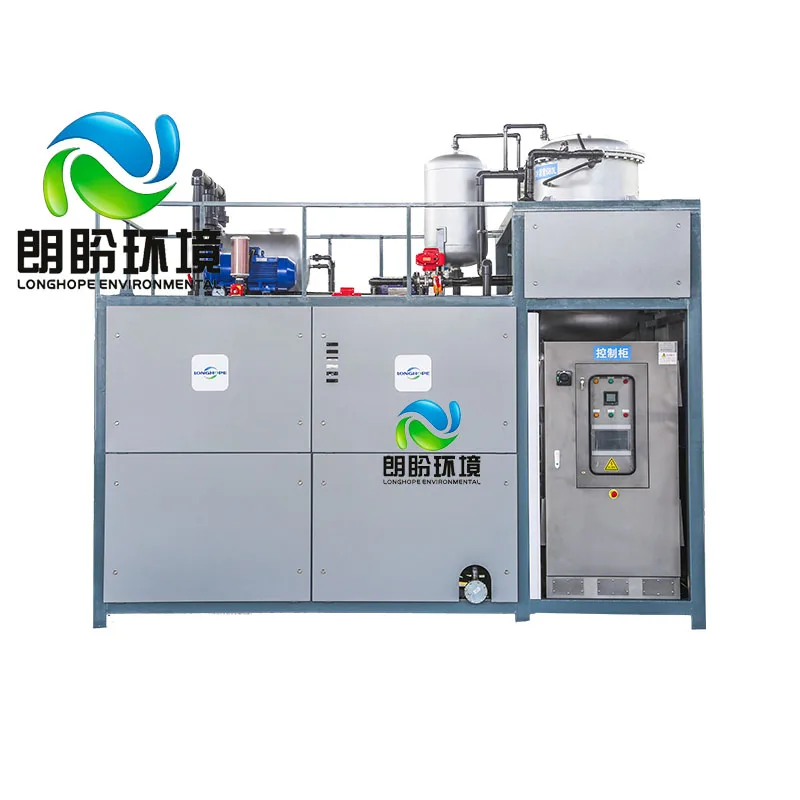
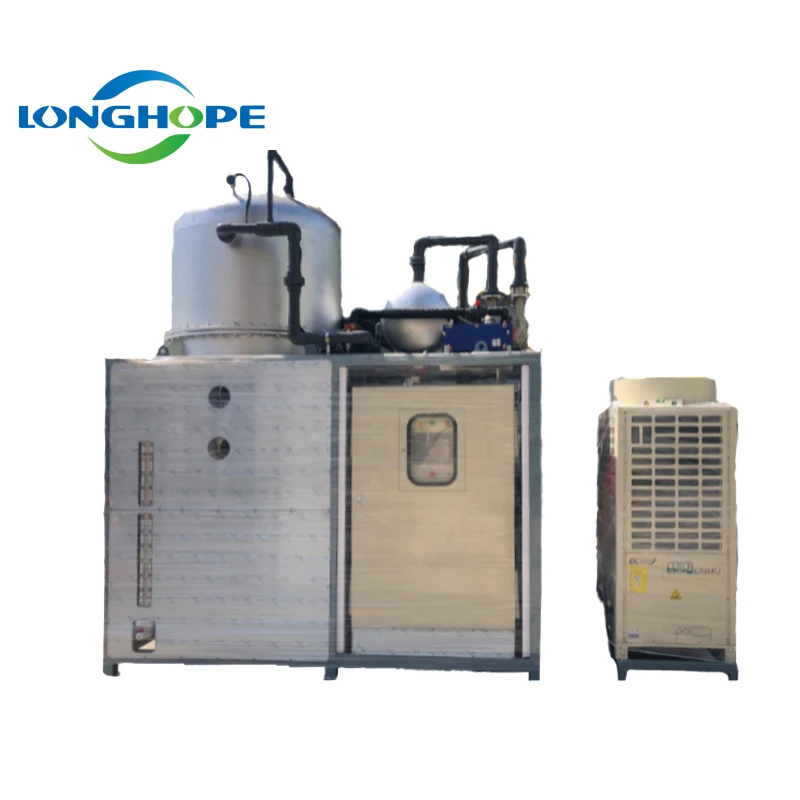
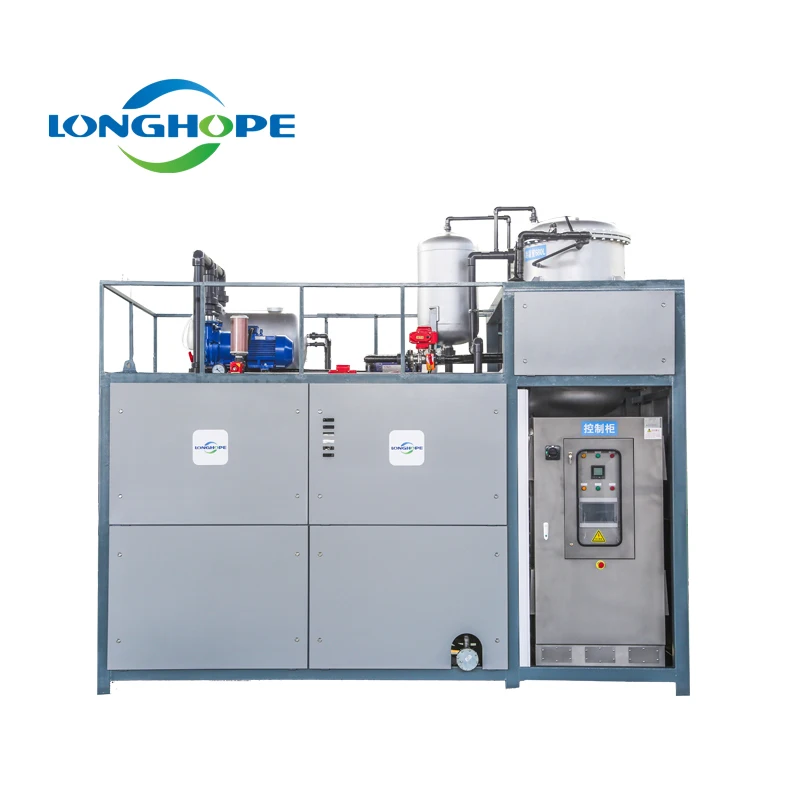
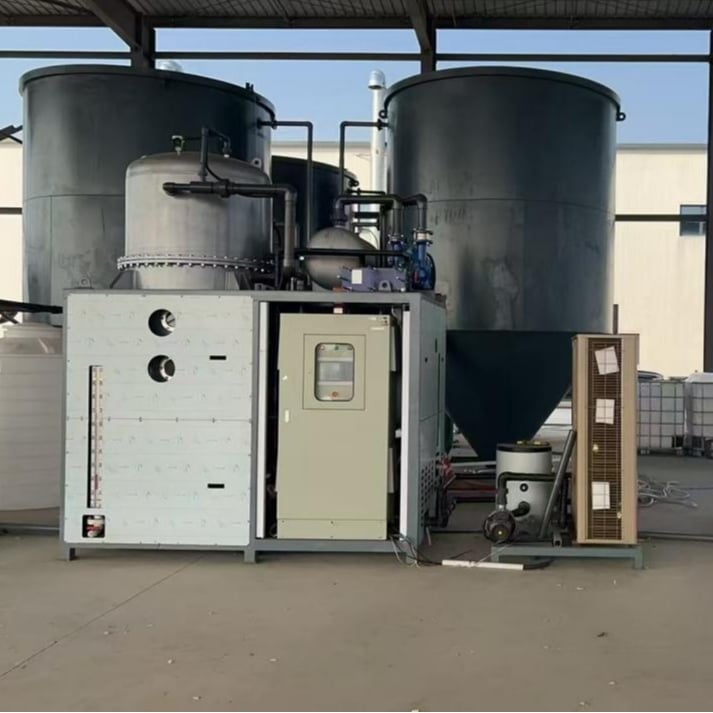
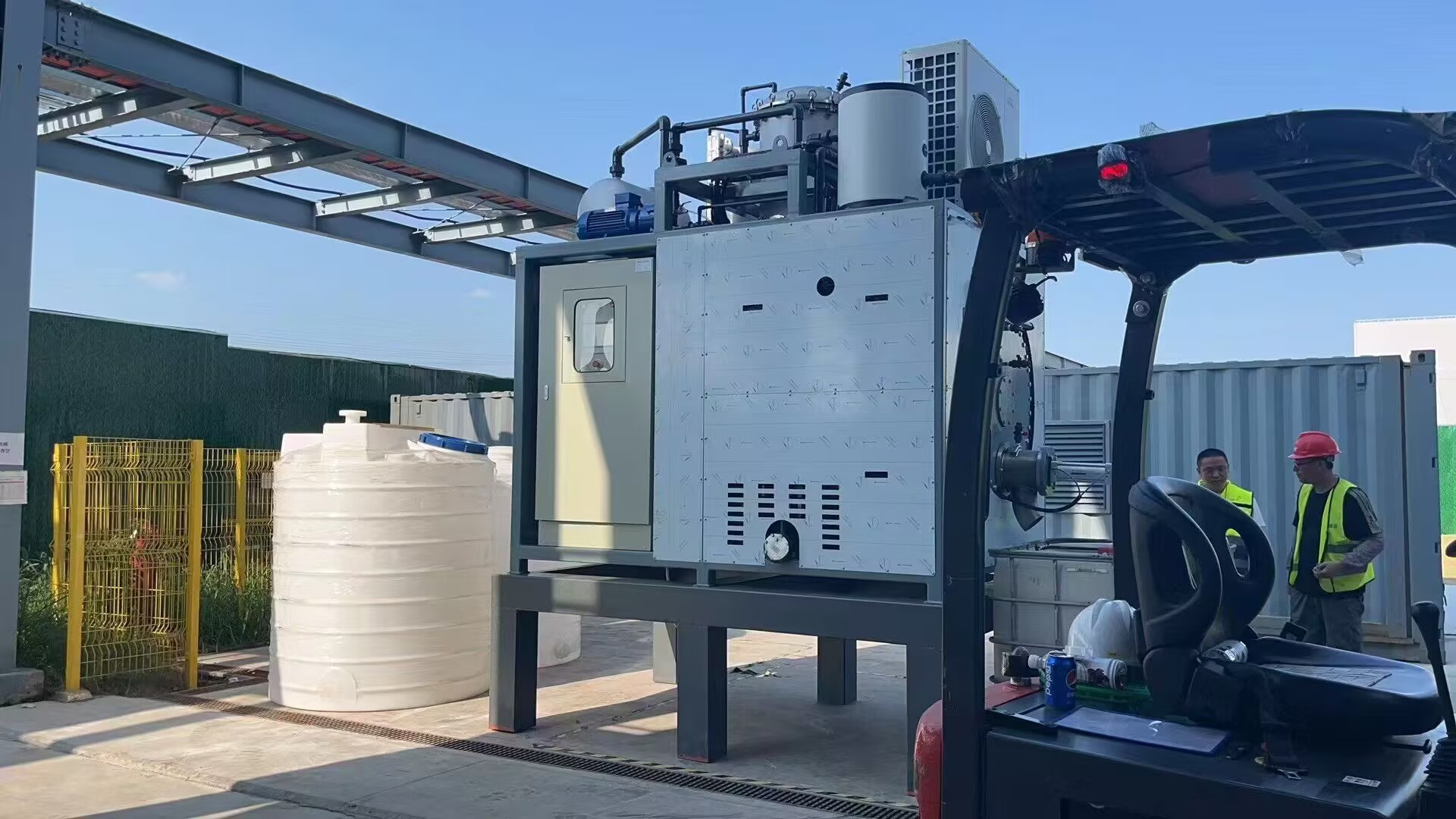
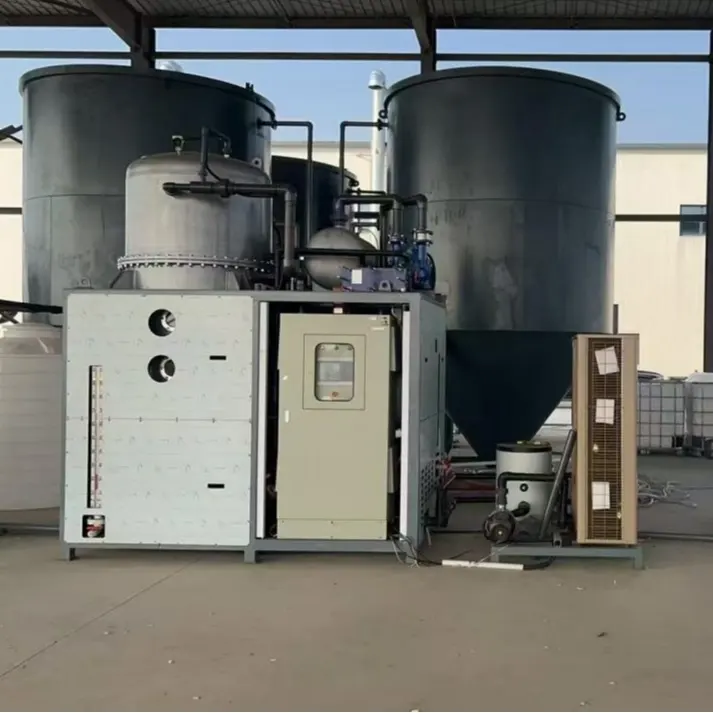
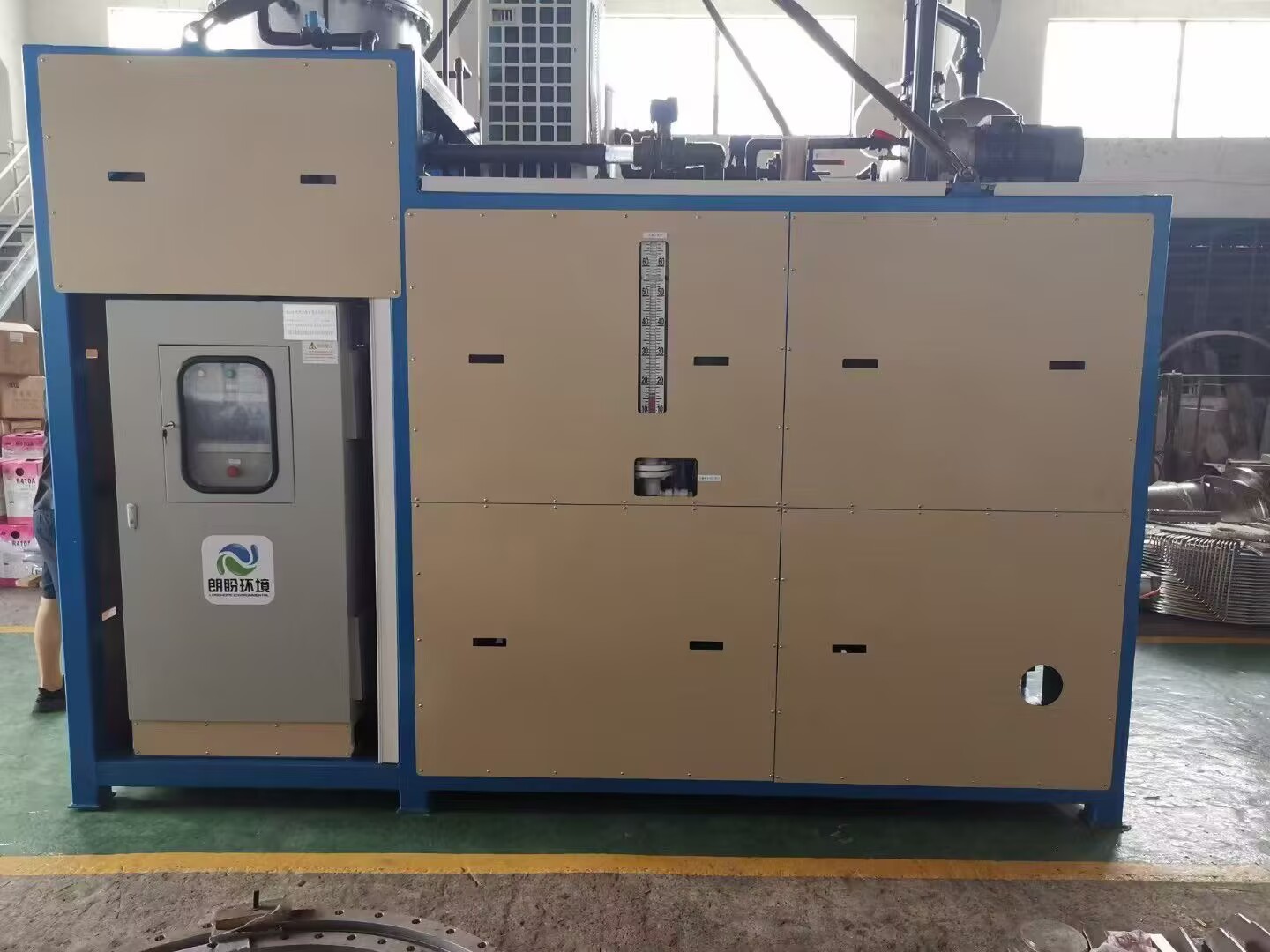
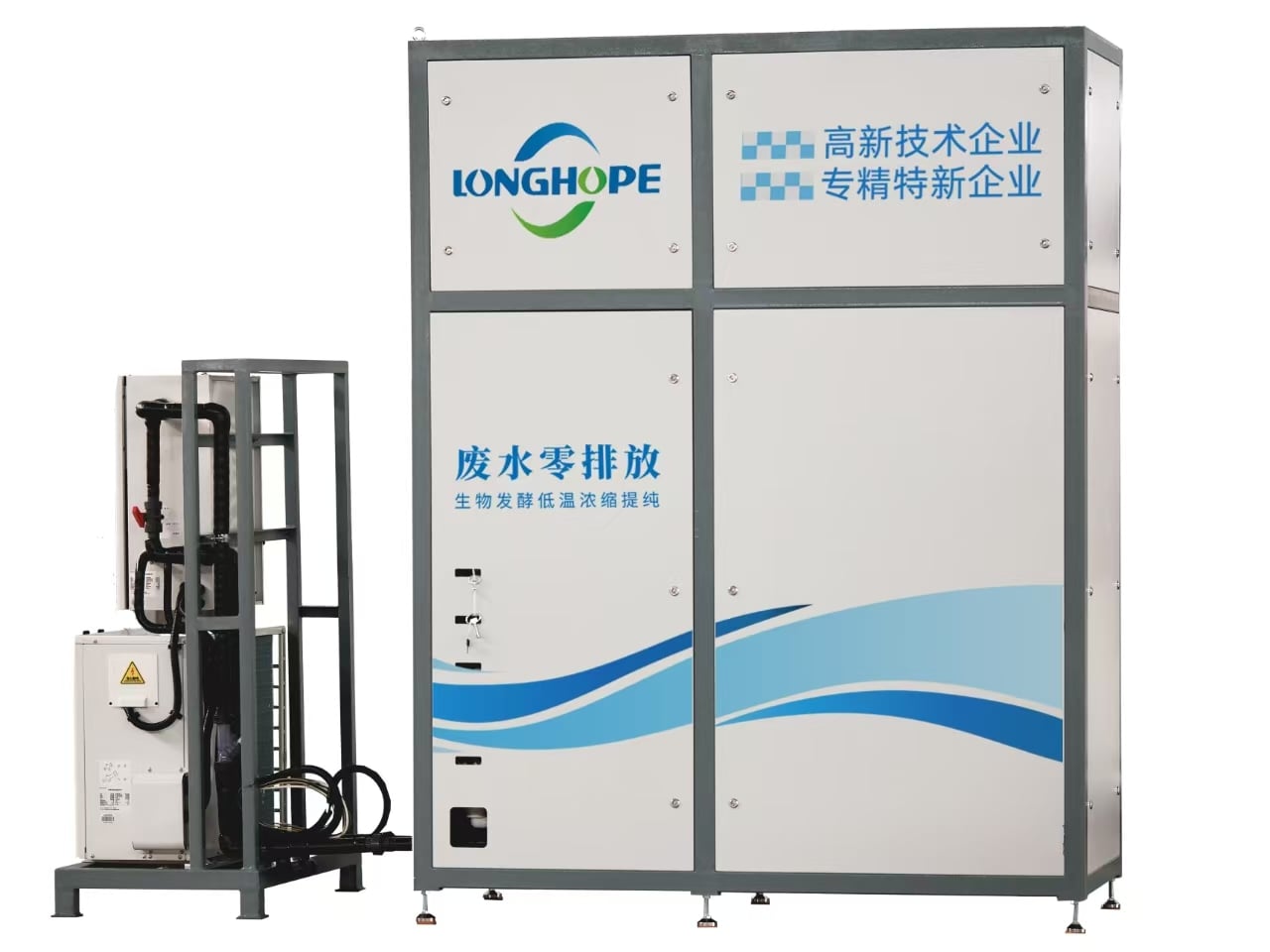
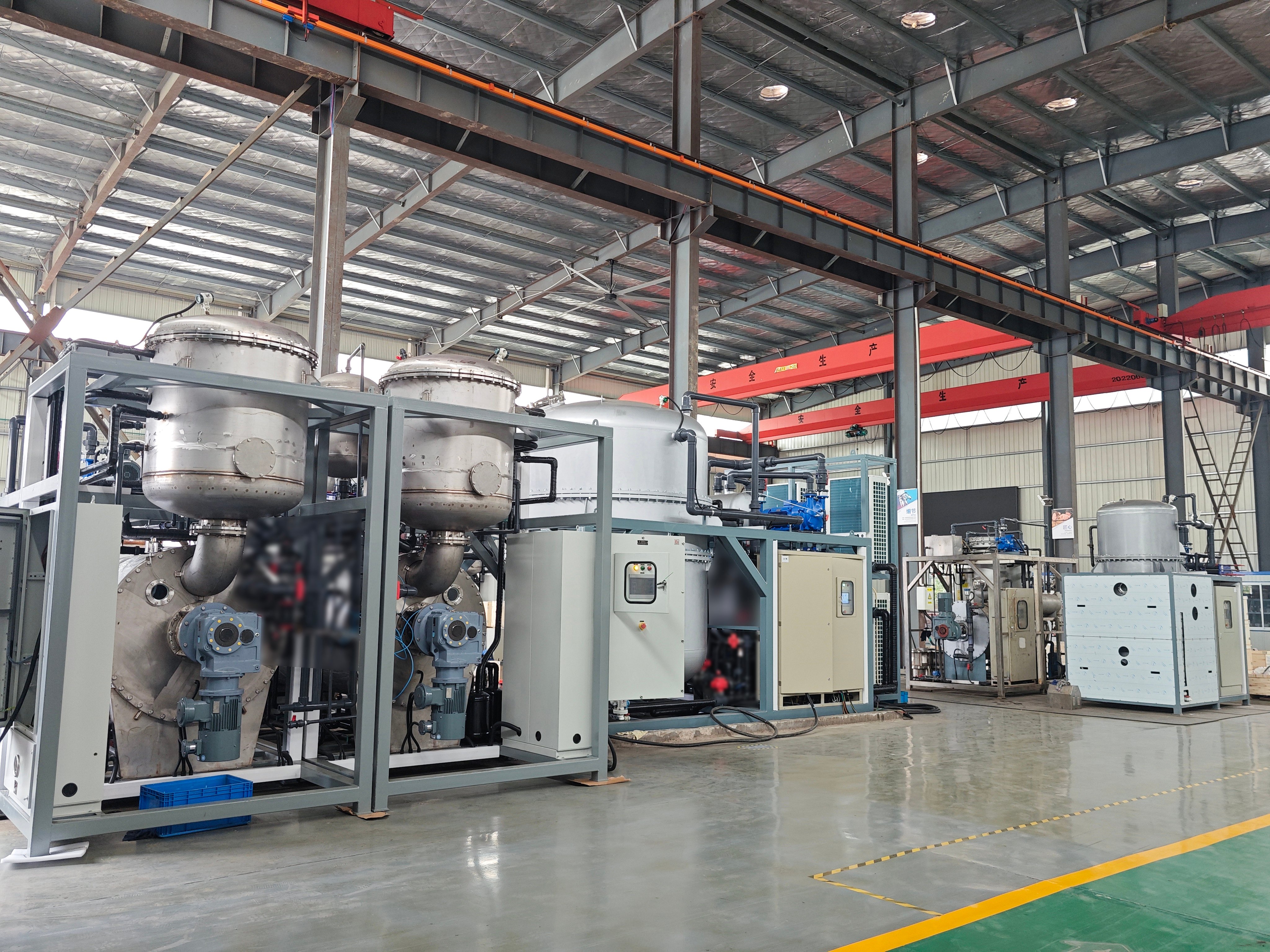
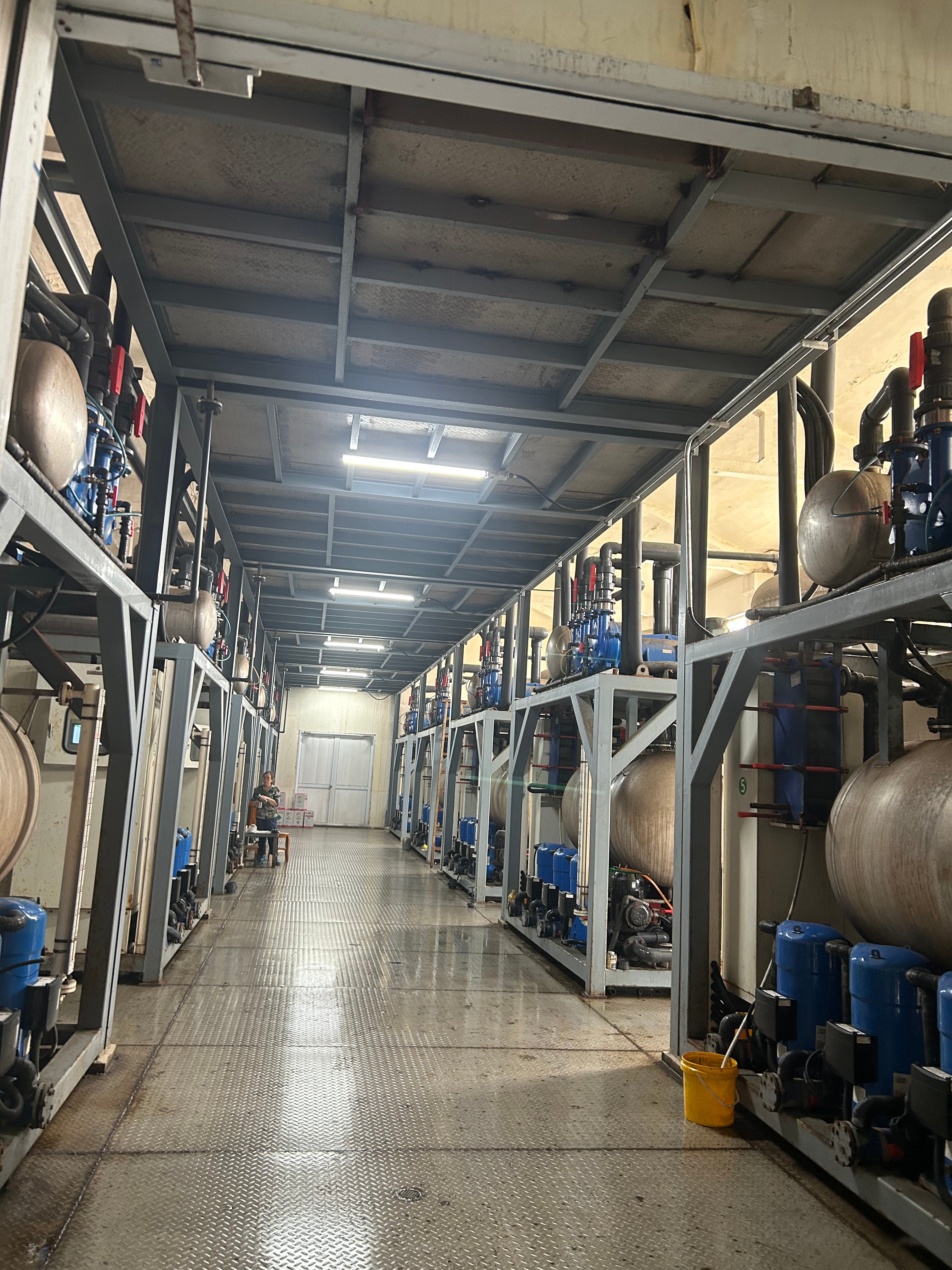
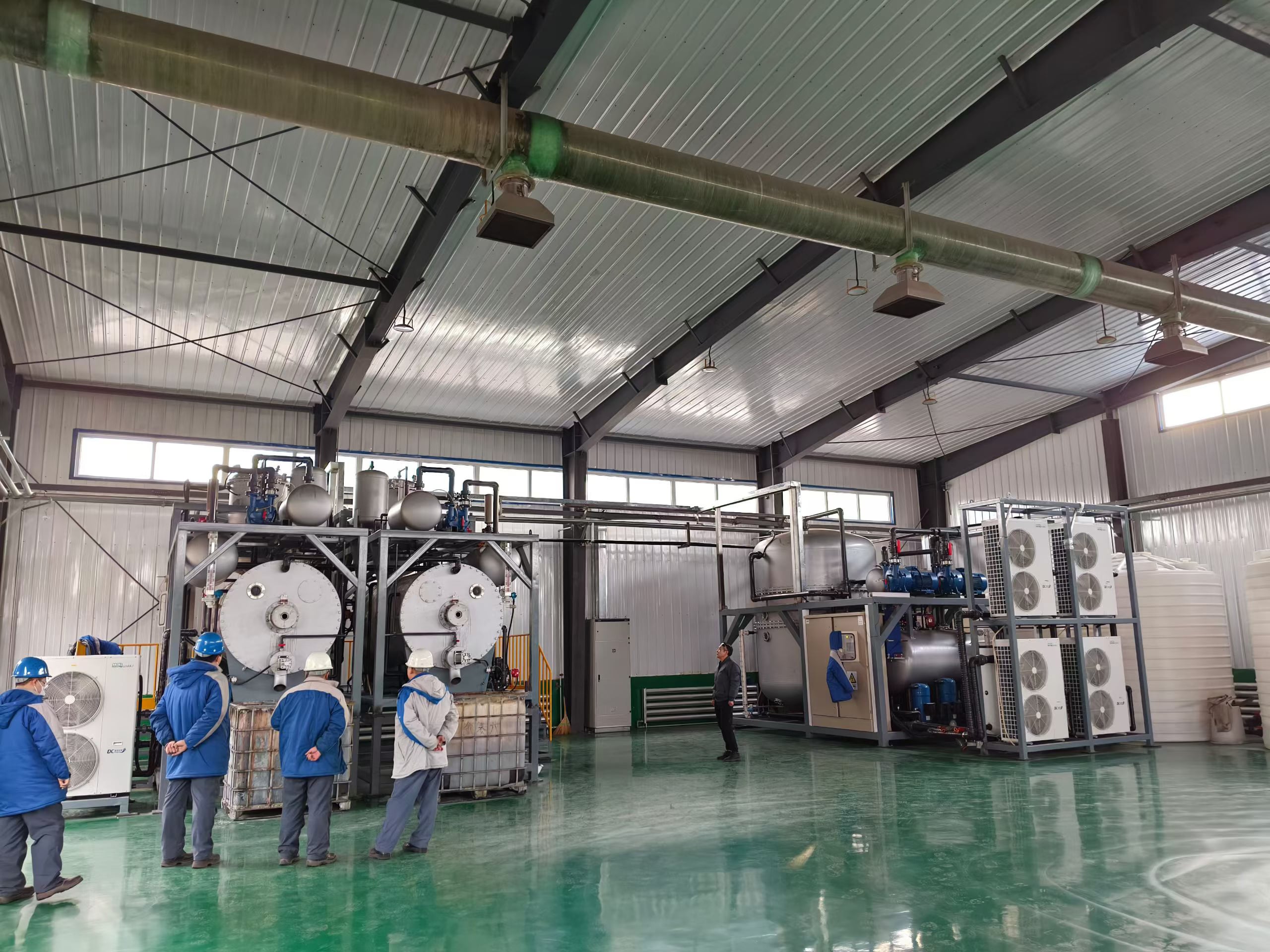
ammonia wastewater treatment plant
An ammonia wastewater treatment plant is a specialized facility designed to remove ammonia and other nitrogen-based compounds from industrial and municipal wastewater streams. This ammonia wastewater treatment plant utilizes advanced technological processes to convert harmful ammonia into safer byproducts or recoverable materials. The primary function of an ammonia wastewater treatment plant involves capturing ammonia nitrogen through biological treatment, chemical precipitation, or air stripping methods. These plants serve critical roles in protecting water quality and ensuring regulatory compliance across multiple industries, including food processing, pharmaceutical manufacturing, and chemical production. An ammonia wastewater treatment plant typically incorporates multiple treatment stages, including preliminary screening, primary sedimentation, biological oxidation, and final polishing. The technology behind an ammonia wastewater treatment plant enables facilities to treat high-ammonia-concentration wastewater efficiently and cost-effectively. Modern systems integrate real-time monitoring and automated controls to optimize performance. Applications for an ammonia wastewater treatment plant extend across agricultural runoff management, landfill leachate treatment, and industrial process water recycling. The treatment processes employed in an ammonia wastewater treatment plant reduce environmental impact while recovering valuable nutrients. By implementing an ammonia wastewater treatment plant, organizations achieve significant reductions in ammonia discharge levels, meeting stringent environmental standards and protecting aquatic ecosystems from nitrogen pollution.
 EN