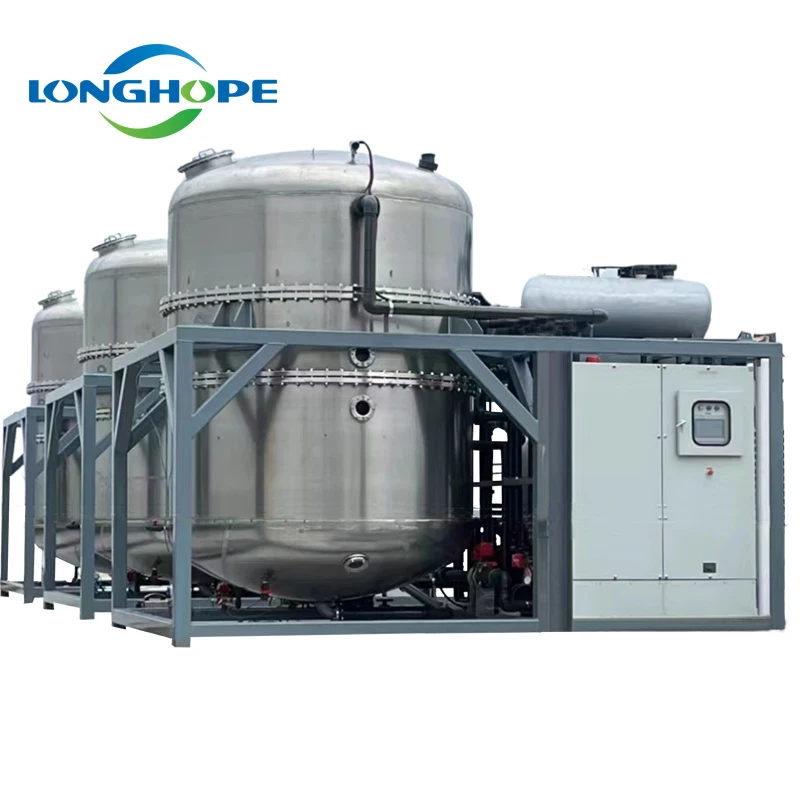
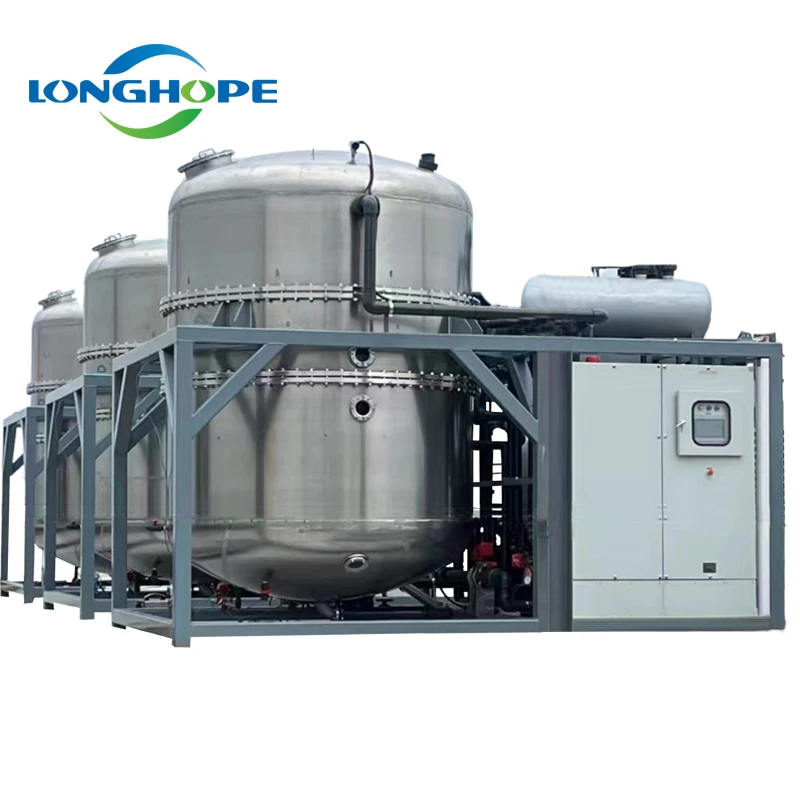
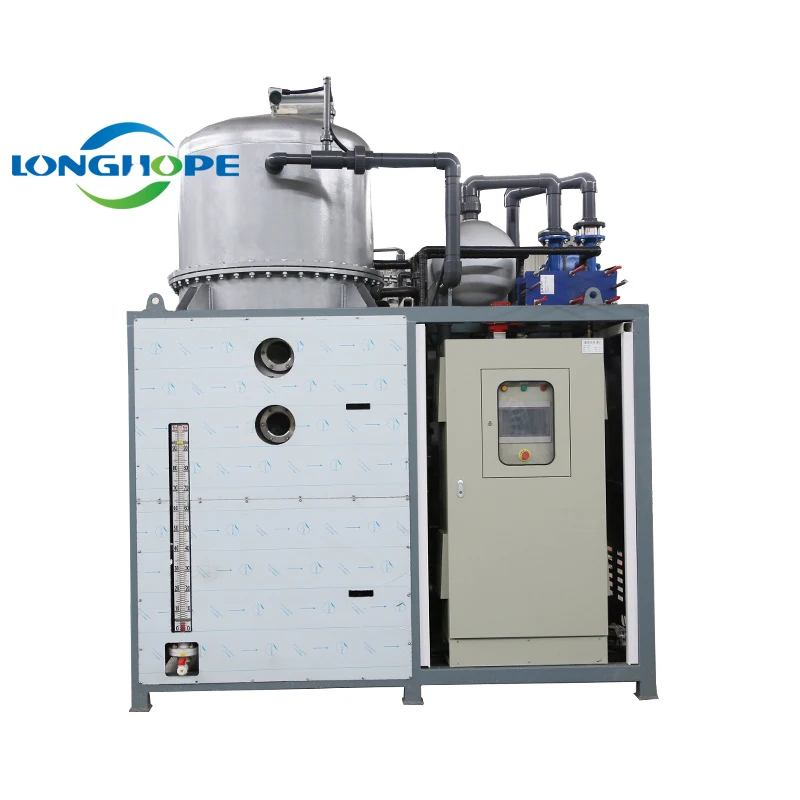
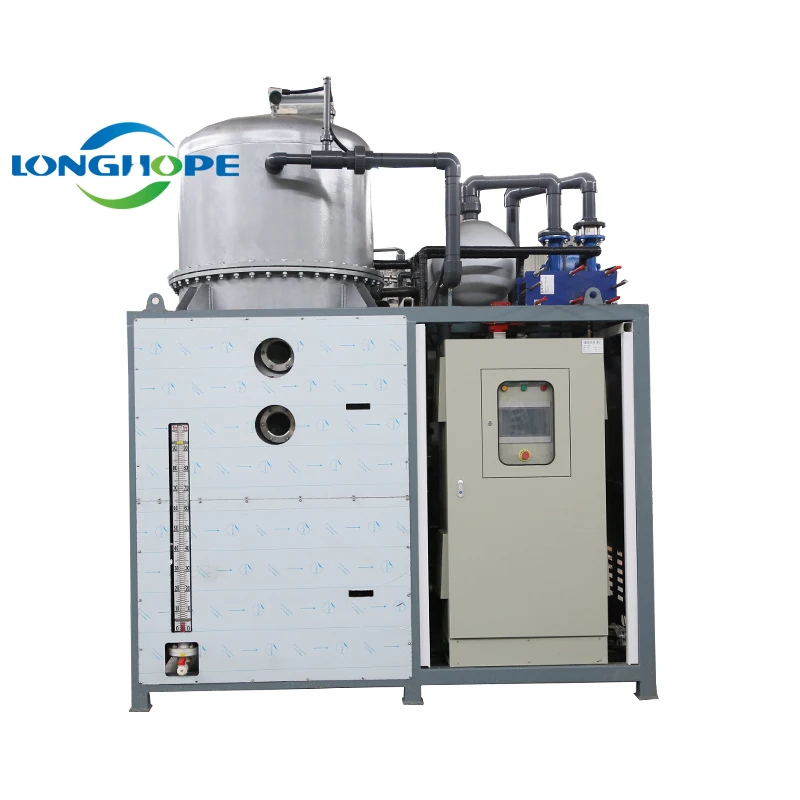
mechanical wastewater treatment
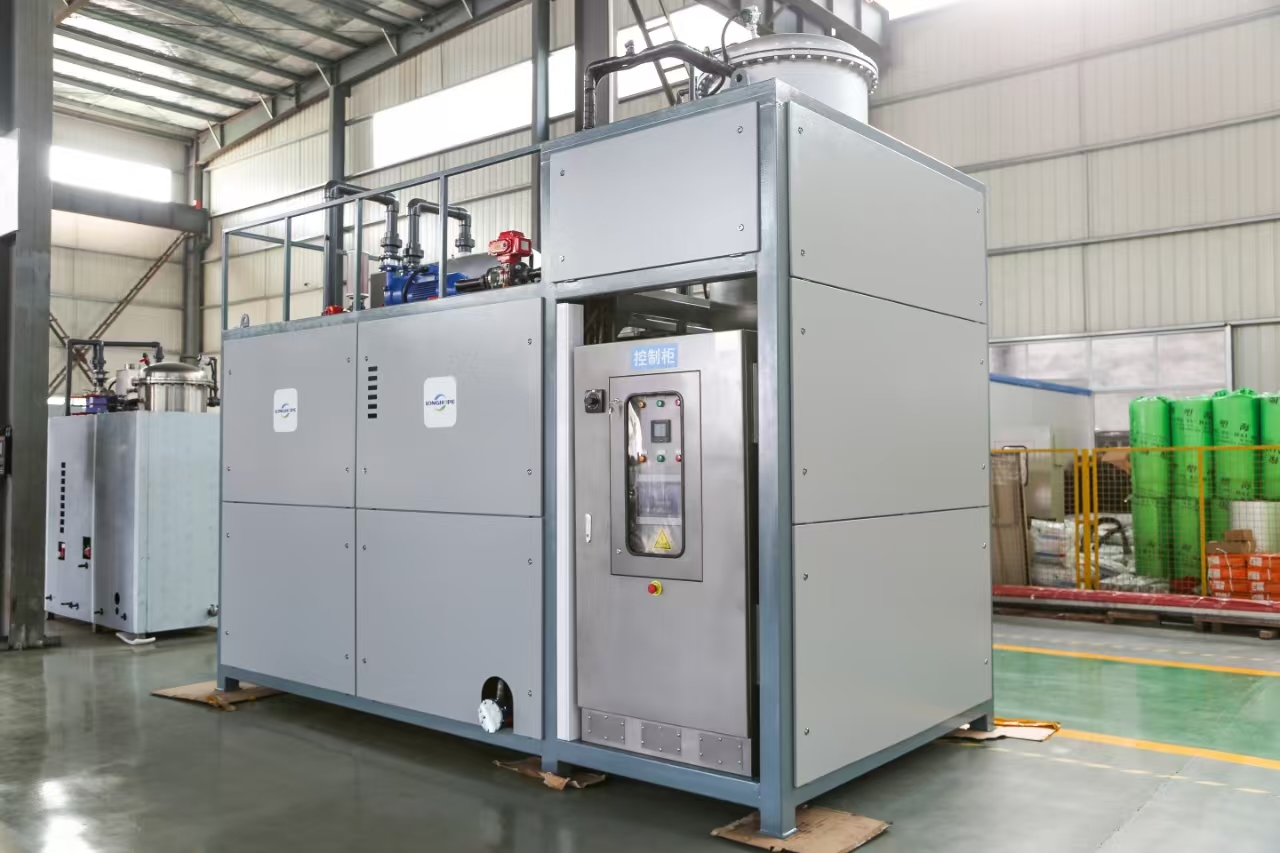
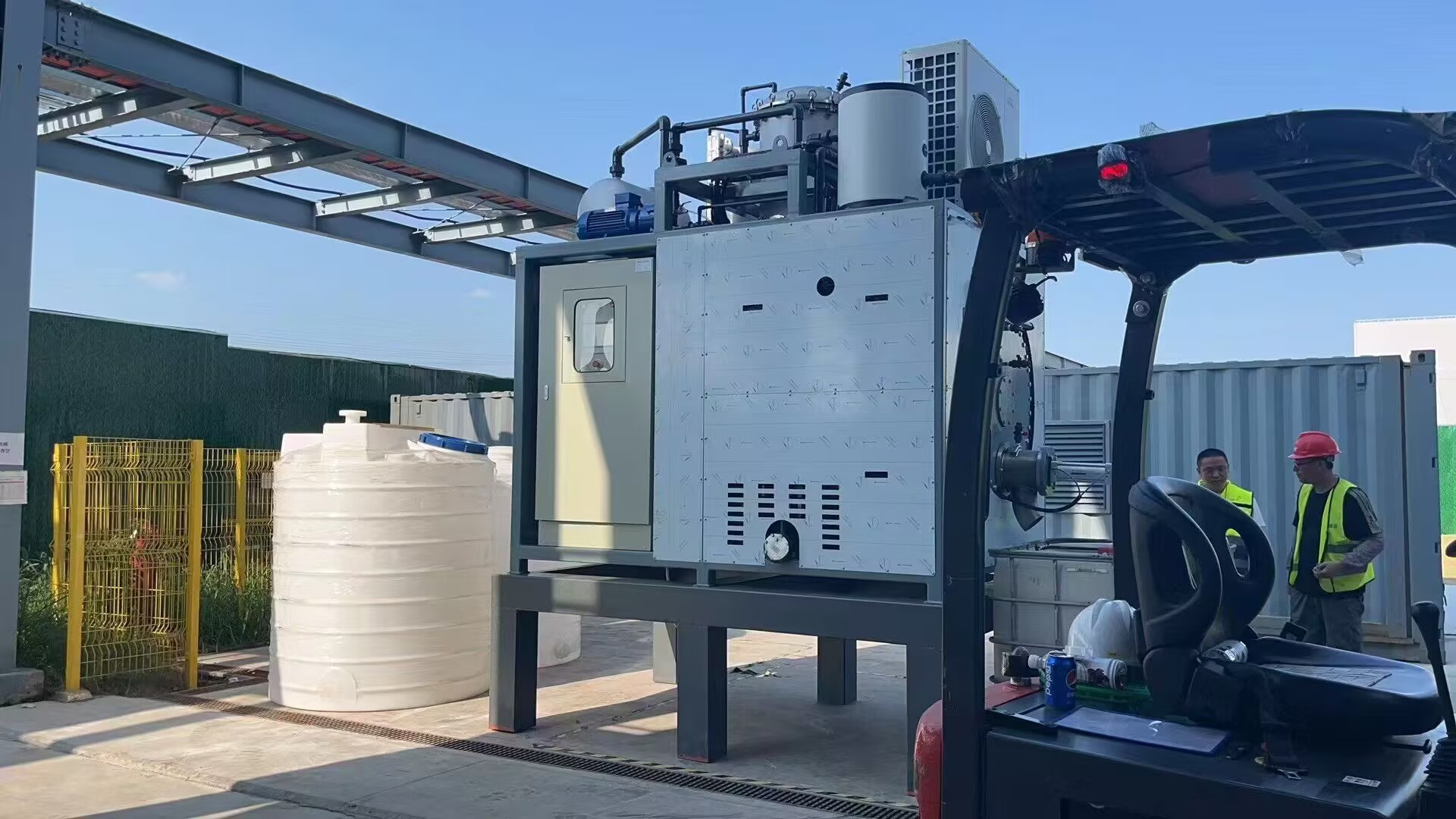
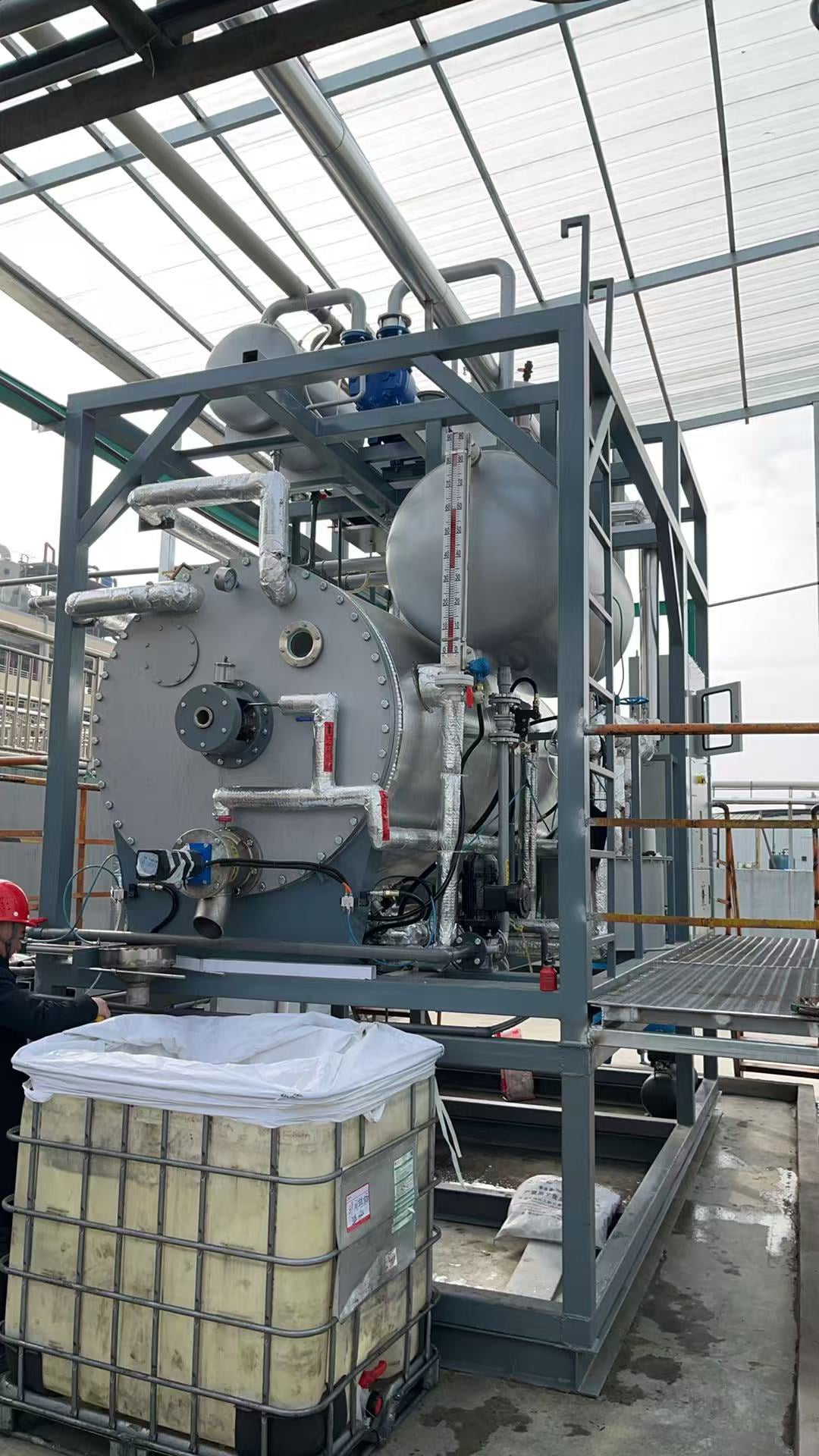
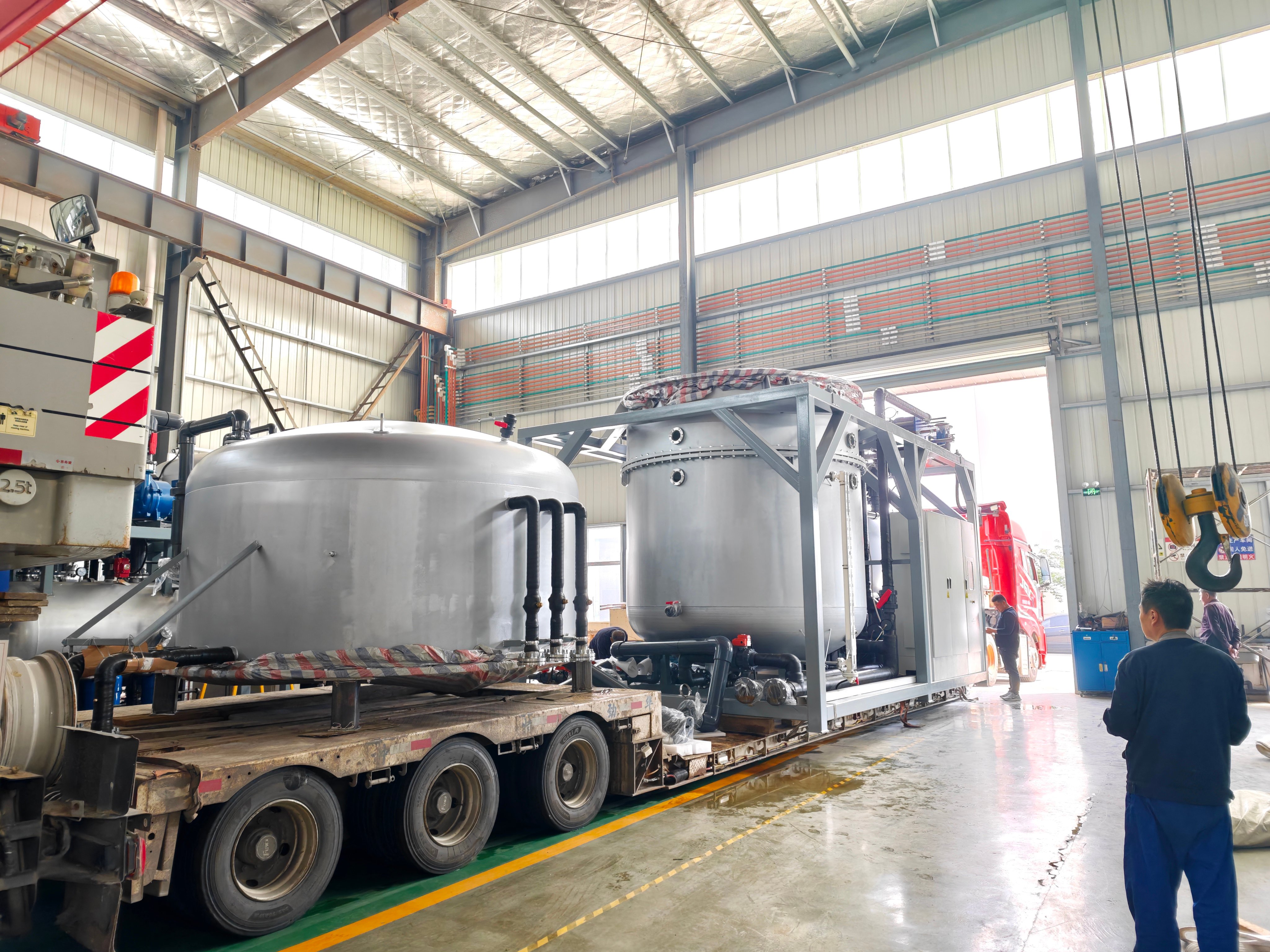
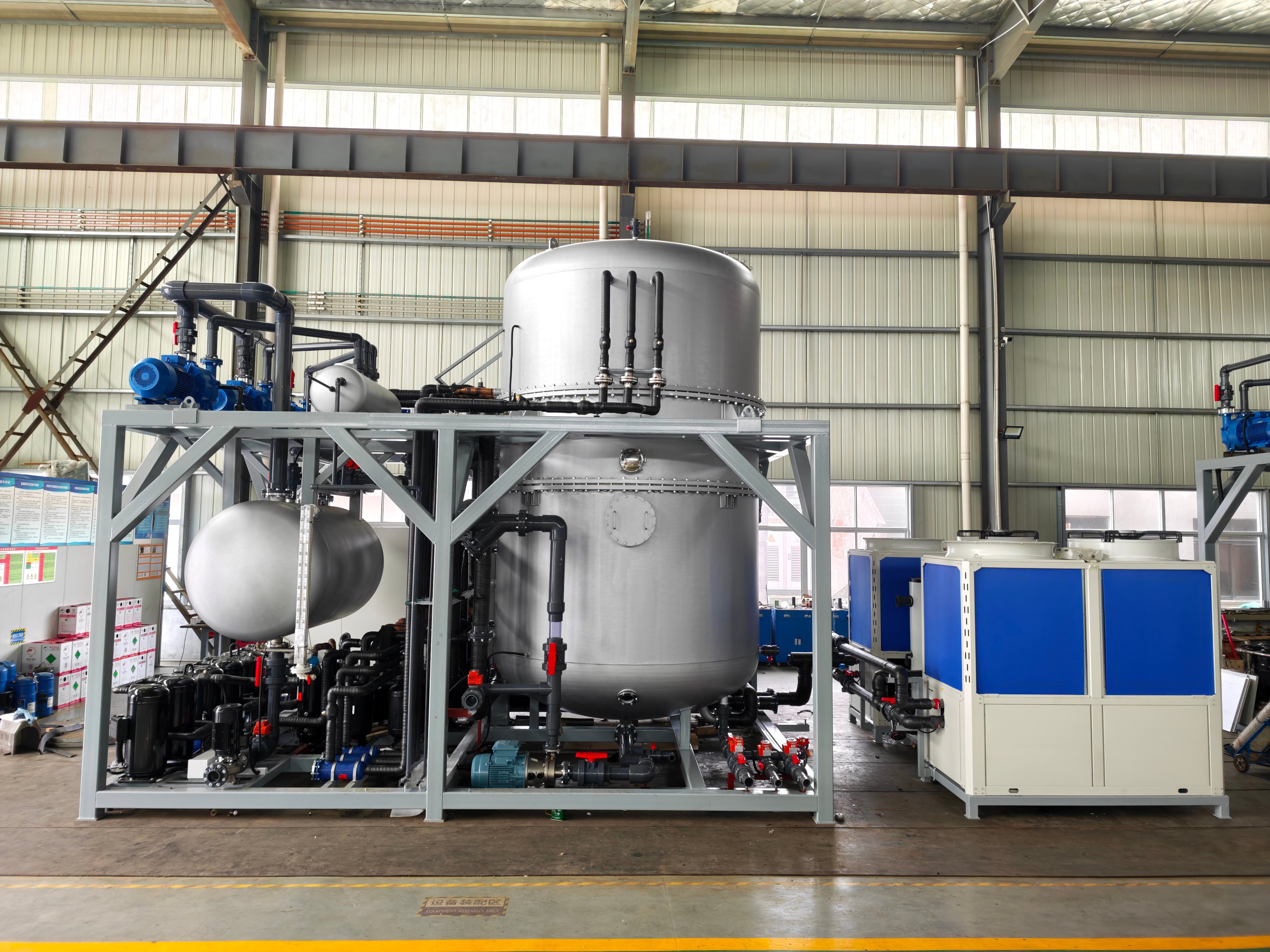
Mechanical wastewater treatment represents a fundamental approach to removing solids and contaminants from wastewater through physical processes rather than chemical or biological methods. This treatment system operates as the initial stage in comprehensive wastewater management, effectively separating suspended particles, debris, and other solid materials from liquid waste streams.
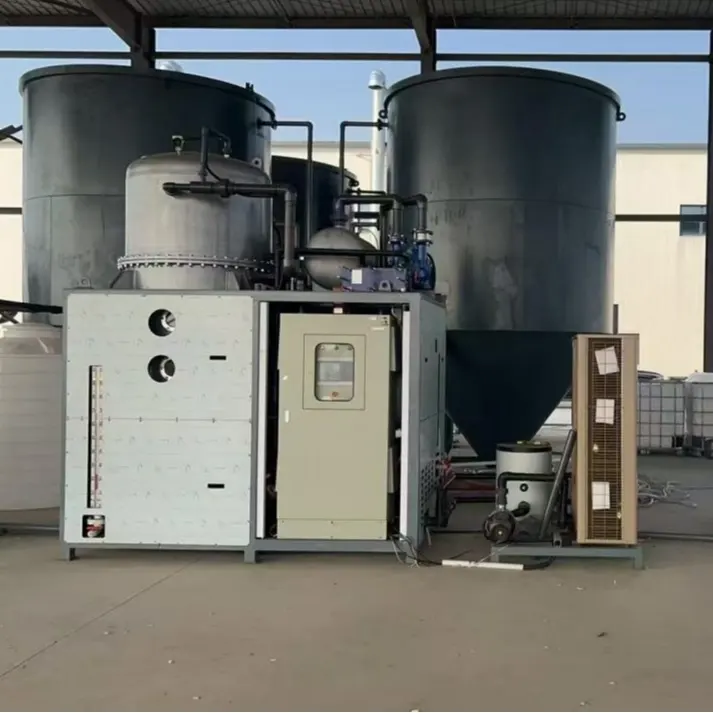
The core functions of mechanical wastewater treatment include screening, sedimentation, and flotation processes. Screening removes large debris like plastics, rags, and gravel before they damage downstream equipment. Sedimentation allows heavier particles to settle naturally at the basin bottom, while lighter materials float to the surface for separate collection.
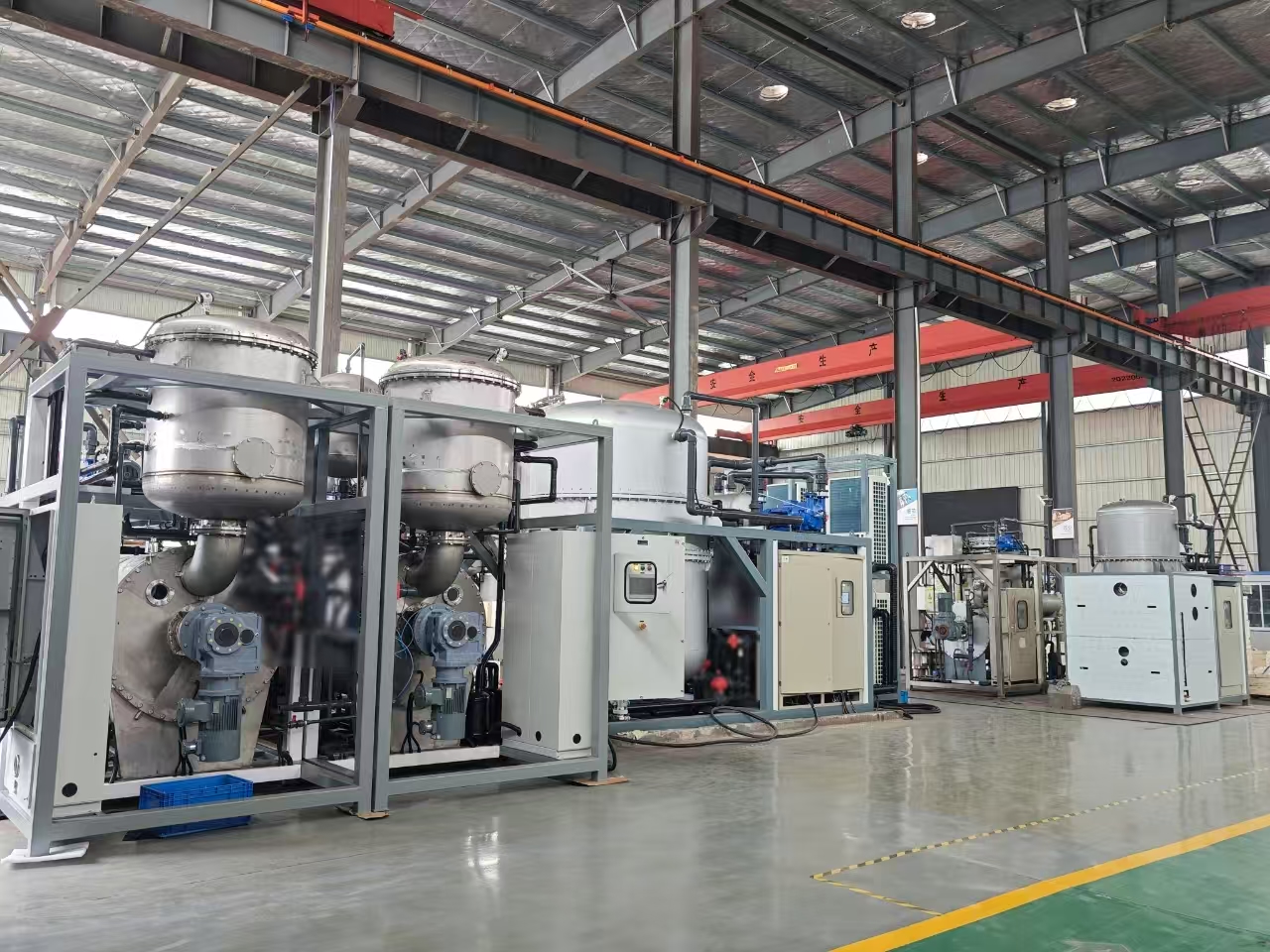
Technological features of modern mechanical wastewater treatment systems include automated screening equipment, multi-stage settling tanks, and efficient dewatering mechanisms. These components work together to optimize solid-liquid separation while minimizing energy consumption and operational costs. The systems utilize gravity-based principles combined with precise basin design to maximize treatment efficiency.
Mechanical wastewater treatment applies across diverse industries, including food processing, manufacturing, municipal water treatment, and hospitality sectors. Its applications prove particularly valuable in preliminary treatment stages before advanced treatment methods. Organizations benefit from reduced contamination of subsequent treatment systems and improved overall wastewater management outcomes. The mechanical wastewater treatment approach provides a cost-effective foundation for protecting environmental quality and meeting regulatory compliance standards.
 EN